News
-
 Researchers Reveal Novel Key Gene Controlling Salt Tolerance in RiceSoil salinization poses a serious threat to global rice production, and identifying key gene modules in salt signaling pathways is critical tackling this pressing agricultural challenge. A research team led by Prof. CHONG Kang from the State Key Laboratory of Forage Breeding-by-Design and Utilization, Institute of Botany of the Chinese Academy of Sciences has identified a major QTL gene called TOLS1 and uncovered how it shapes rice salt tolerance, offering new genetic resources and mechanistic insights for breeding salt-tolerant rice varieties. This study was published in Developmental Cell on Aug 28.Aug 31, 2026
 -
 Projected Global Grassland Expansion and Northward Shift by Century's EndA recent study published in Journal of Geophysical Research: Biogeosciences, has revealed that the global grassland coverage will likely increase at the end of this century. Led by Prof. WANG Yufei from the Institute of Botany of the Chinese Academy of Sciences, along with international collaborator from Austria, the researchers created a data set containing 16,372 records with both characteristic variables (including vascular plant richness, bioclimatic, soil and elevation variables) and Poaceae pollen abundance (PA) and used a random forest model to simulate the spatial distribution of Poaceae PA.Aug 28, 2026
 -
 Scientists Uncover How Auxin Establishes the Pistil Boundary by Degrading a Key Transcription FactorHave you ever wondered how a flower ensures that it's pollen-catching "landing pad" (the stigma) stays neatly separated from the "pollen tube highway" beneath it (the style)? This clear boundary is crucial for plant reproduction, but for decades, biologists didn't know how it was drawn. Scientists from the Institute of Botany of the Chinese Academy of Sciences (CAS), in collaboration with the University of Oxford, Tsinghua University, and the CAS Institute of Genetics and Developmental Biology, has cracked the mystery. Their study reveals that a plant hormone called auxin acts like a pair of molecular scissors, which deliberately cuts down a key protein exactly where the boundary should form, creating a sharp dividing line between the two tissues. The study was recently published in PNAS.Aug 26, 2026
 -
 Researchers Reveal Temperature Sensing Mechanism for Timekeeping in PlantsAug 10, 2026
 -
 PIFI Day Conference on "Grape Research and New Technologies" Held in the Institute of Botany, CASAug 03, 2026
 -
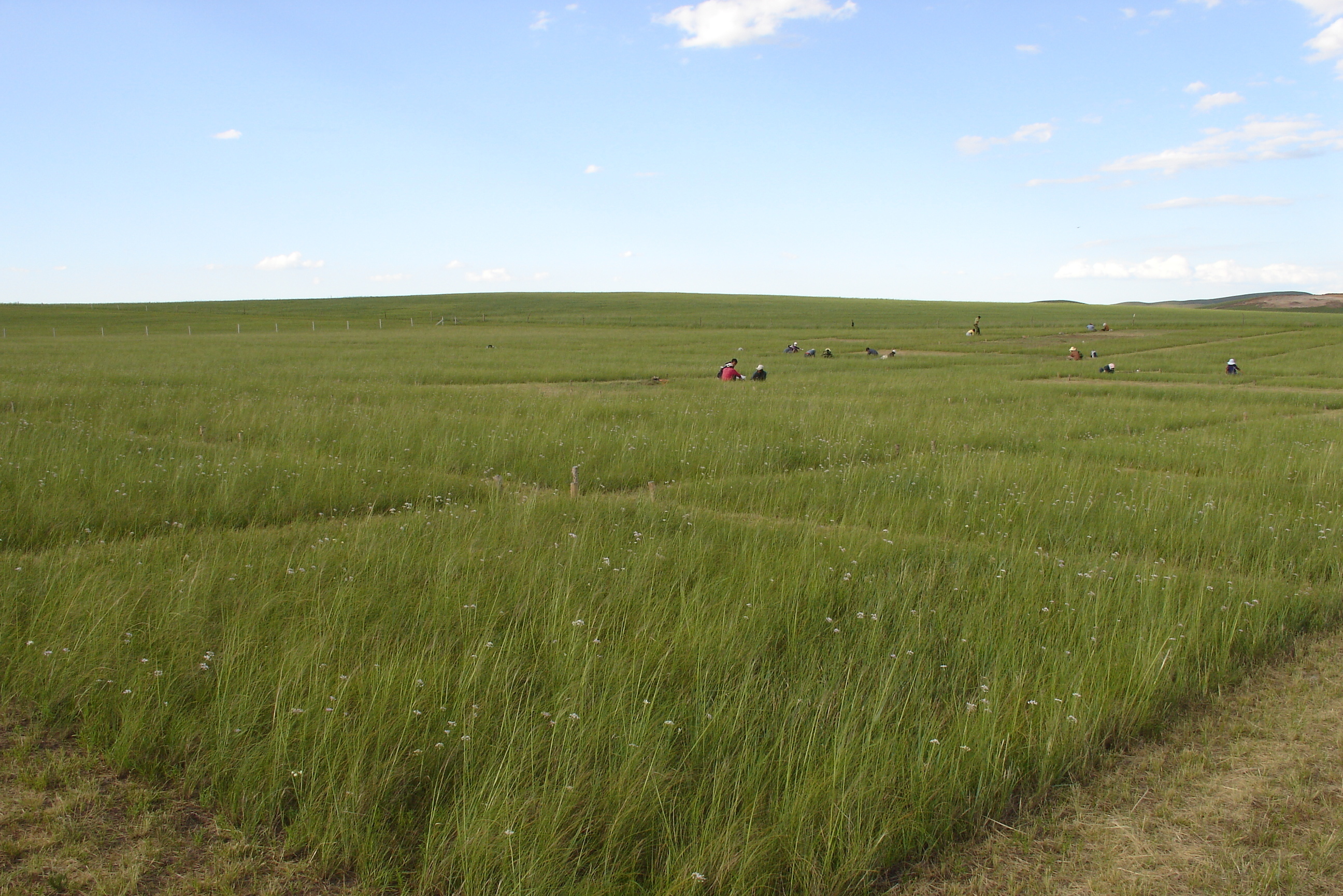 How Does the Biodiversity-productivity Relationship Evolve with Time in Natural Ecosystems?The biodiversity-productivity relationship is crucial for understanding the consequences of biodiversity loss; yet, how this relationship evolves over time in natural ecosystems remains unclear. A recent study published in PNAS reveals that the negative impacts of plant diversity decline on grassland productivity gradually diminish over time, contrasting the findings from previous diversity experiments using artificially-assembled plant communities, which suggest an escalating impacts of diversity loss on productivity.Jul 19, 2026
 -
 Evolutionary History Shapes Plant Carbon Storage Strategies WorldwideA global synthesis led by YAN Zhengbing from the Institute of Botany, Chinese Academy of Sciences, emphasizes that evolutionary history plays a stronger role than contemporary environmental conditions in shaping plant non-structural carbohydrate (NSC) storage.Jul 13, 2026
 -
 Scientists Reveal the Assembly of the World's Largest Evergreen Broadleaved ForestA research team led by Prof. WANG Wei from the Institute of Botany of the Chinese Academy of Sciences (IB-CAS) has revealed the evolutionary history of the world's largest evergreen broadleaved forest (EBLF), East Asian EBLF, through a multi-taxon analysis. The study was published in National Science Review.Jun 26, 2026
 -
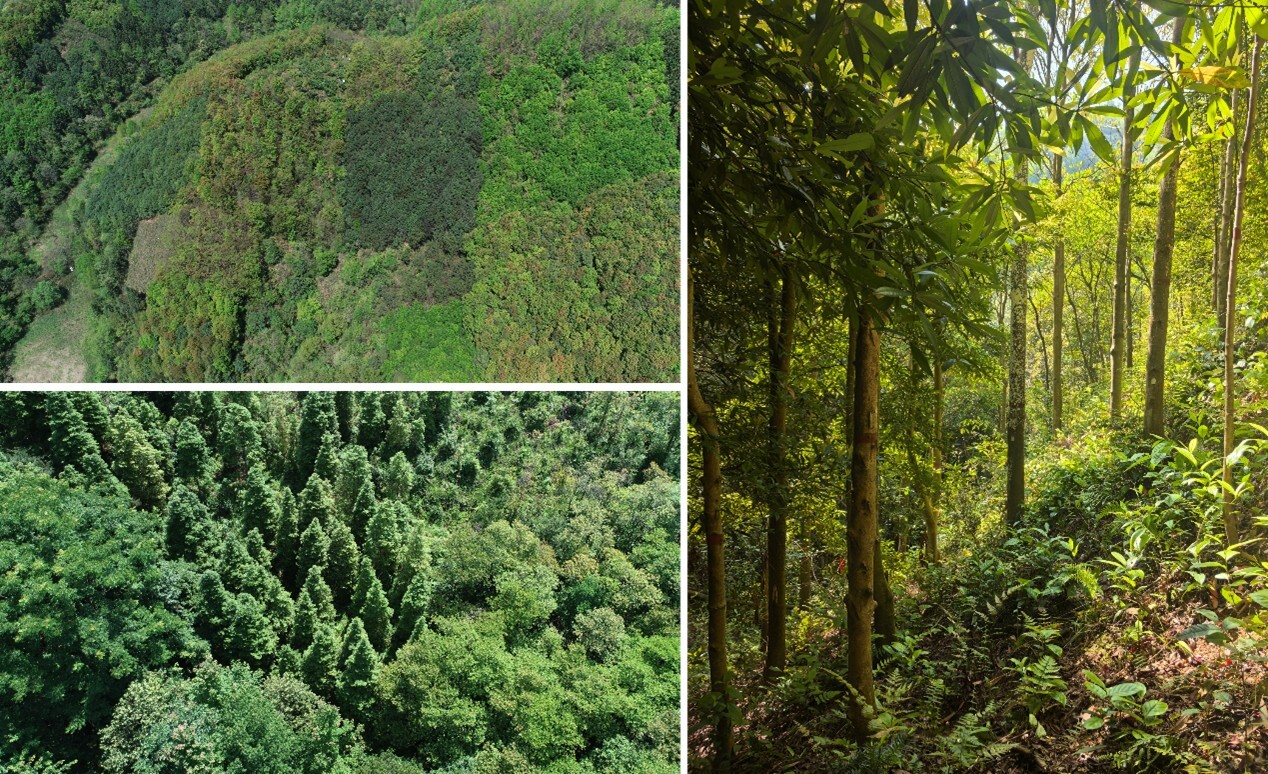 Neighbourhood Diversity Effects on Tree Growth Shift Over Time in Subtropical ForestsA new study published in Ecology Letters reveals that, as forests age, neighbourhood tree diversity increasingly alleviates competitive pressure on tree growth by enhancing niche differentiation among neighbouring trees. Led by Prof. LIU Xiaojuan from the Institute of Botany, the Chinese Academy of Sciences (IBCAS), the researchers integrated 14 years of growth measurements from 15,877 individual trees across 516 plots from a large forest biodiversity experiment in southeast China.Jun 17, 2026
 -
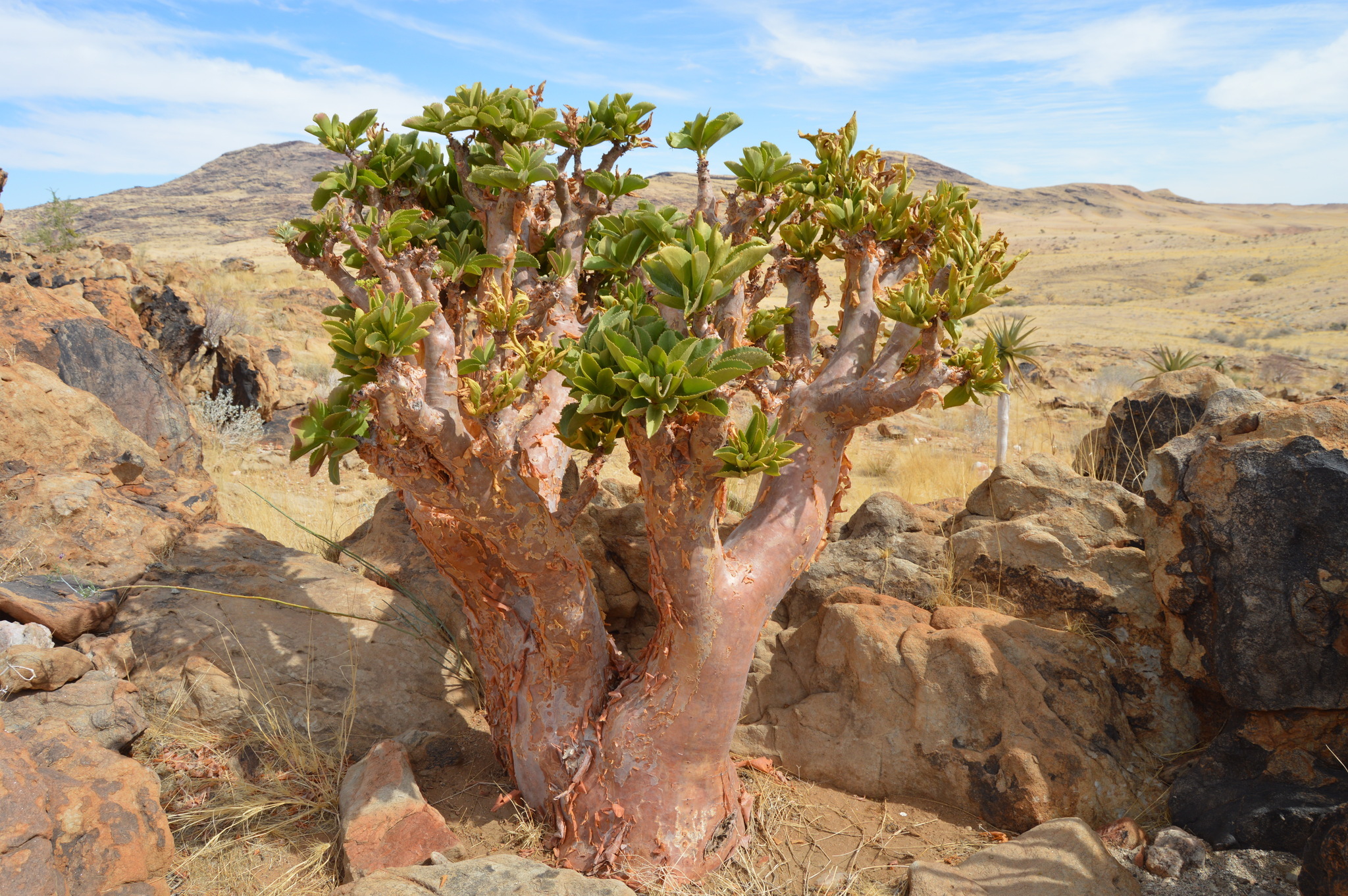 A Case Study in Tree Grapes (Cyphostemma) Reveals the Genomic and Ecological Drivers of Arid AdaptationIn the context of global warming and intensifying aridity, understanding how plants adapt to extreme habitats has become a focus in biodiversity and evolutionary biology research. Recently, a new study led by Prof. LU Limin from the Institute of Botany, Chinese Academy of Sciences, deciphered the genetic basis and ecological mechanisms of adaptation to arid environments in the tree grape genus Cyphostemma (Vitaceae). Their findings were published in Nature Communications.Jun 14, 2026