News
-
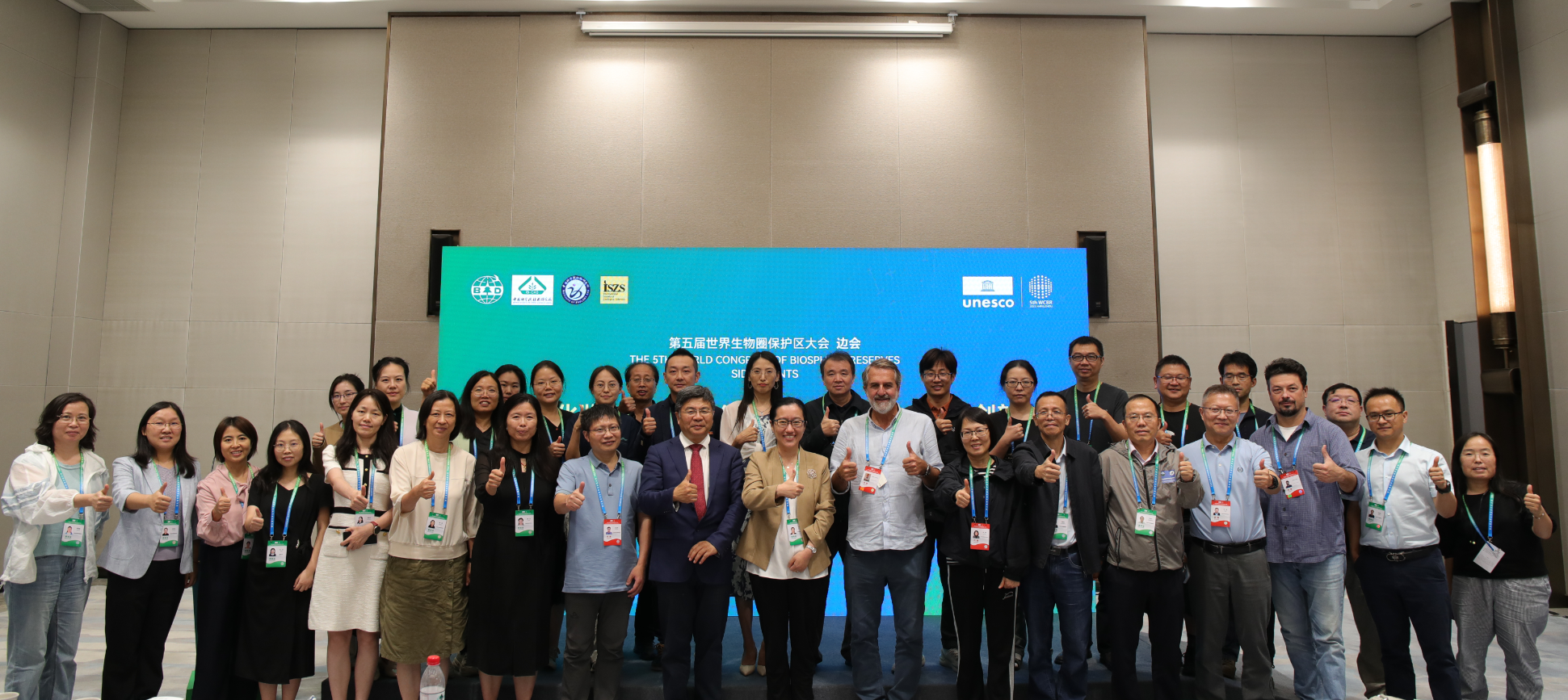 IBCAS Organized Side Event at the 5th World Congress of Biosphere ReservesOn September 24, the side event "the Application and Innovation of Networked Monitoring Systems in the Management of Natural Protected Areas" of the 5th World Congress of Biosphere Reserves was held in Hangzhou. Organized by the Institute of Botany, Chinese Academy of Sciences (IBCAS) and the Biodiversity Committee of Chinese Academy of Sciences (CAS), and co-organized by the Institute of Zoology of CAS and the International Society of Zoological Sciences, the meeting brought together nearly 100 participants from seven countries, including Indonesia, Kenya, and Brazil.Sep 29, 2025
 -
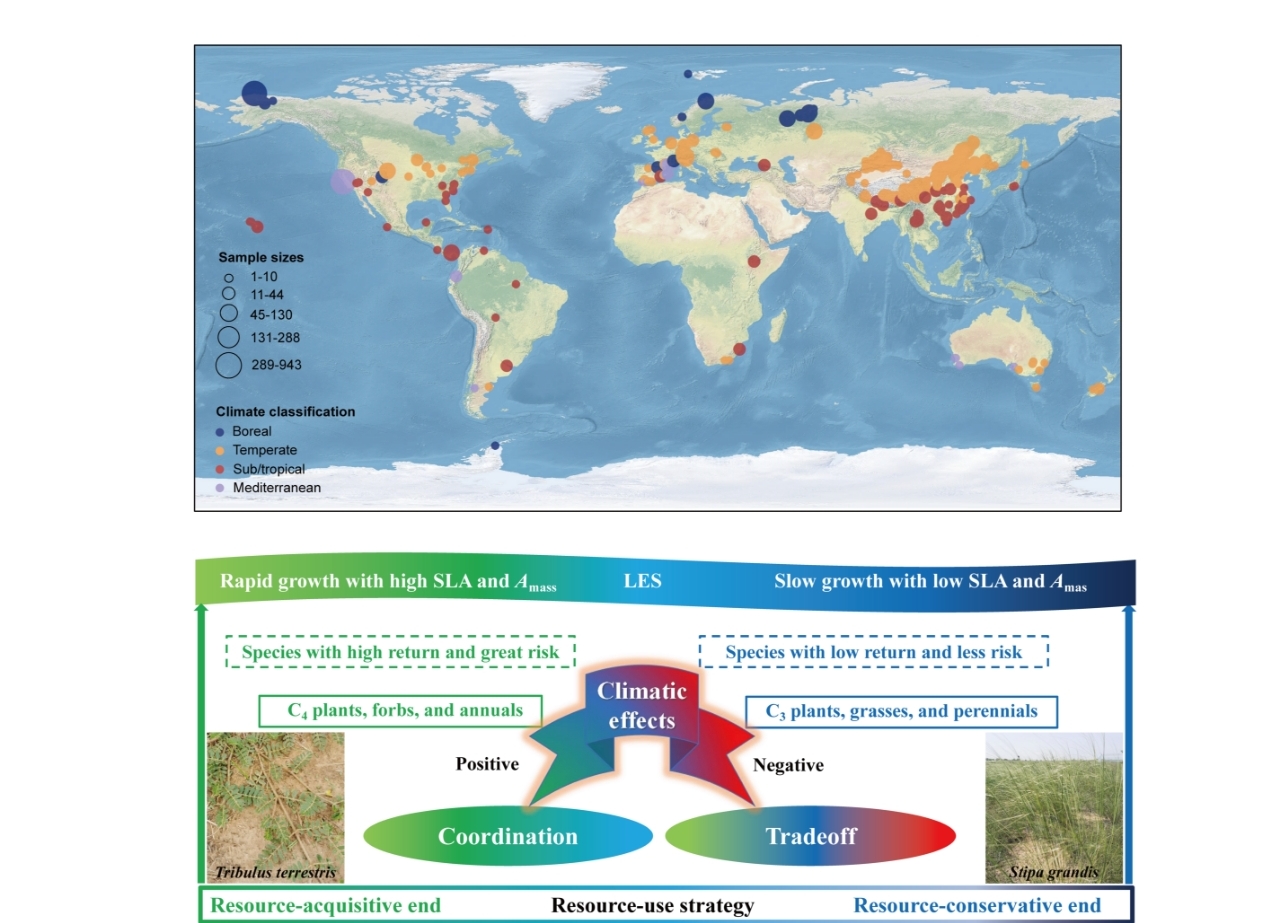 Chinese Scientists Unveils Worldwide Trait Coordination and Climate Trade-Offs in Grassland PlantsPlant functional traits and their interrelationships are critical in shaping the evolutionary and adaptive trajectories of plant species, as well as their responses to environmental changes. Grassland ecosystems serve as a natural laboratory for exploring plant trait coordination, given their high biodiversity, environmental heterogeneity and intricate species interactions. However, the patterns of trait covariation across grasslands—the largest terrestrial ecosystems globally—and their environmental dependencies remain poorly understoodSep 28, 2025
 -
 Delegation from the Training Programme on Sustainable Development of World Mountain Biosphere Reserves Visited IBCASOn 20 September, a 28-member delegation from the "Training Programme on Sustainable Development of World Mountain Biosphere Reserves" visited the Institute of Botany, Chinese Academy of Sciences (IBCAS). Deputy Director-General Prof. YANG Wenqiang welcomed the delegation. Prof. Yang briefed the visitors on IBCAS history and research portfolios, after which the delegation toured the institute's History Museum, the Plant Science Data Center, and the Conservatories as well as the National Botanical Garden. Discussions focused on plant-diversity research and the ex-situ conservation of endangered species.Sep 23, 2025
 -
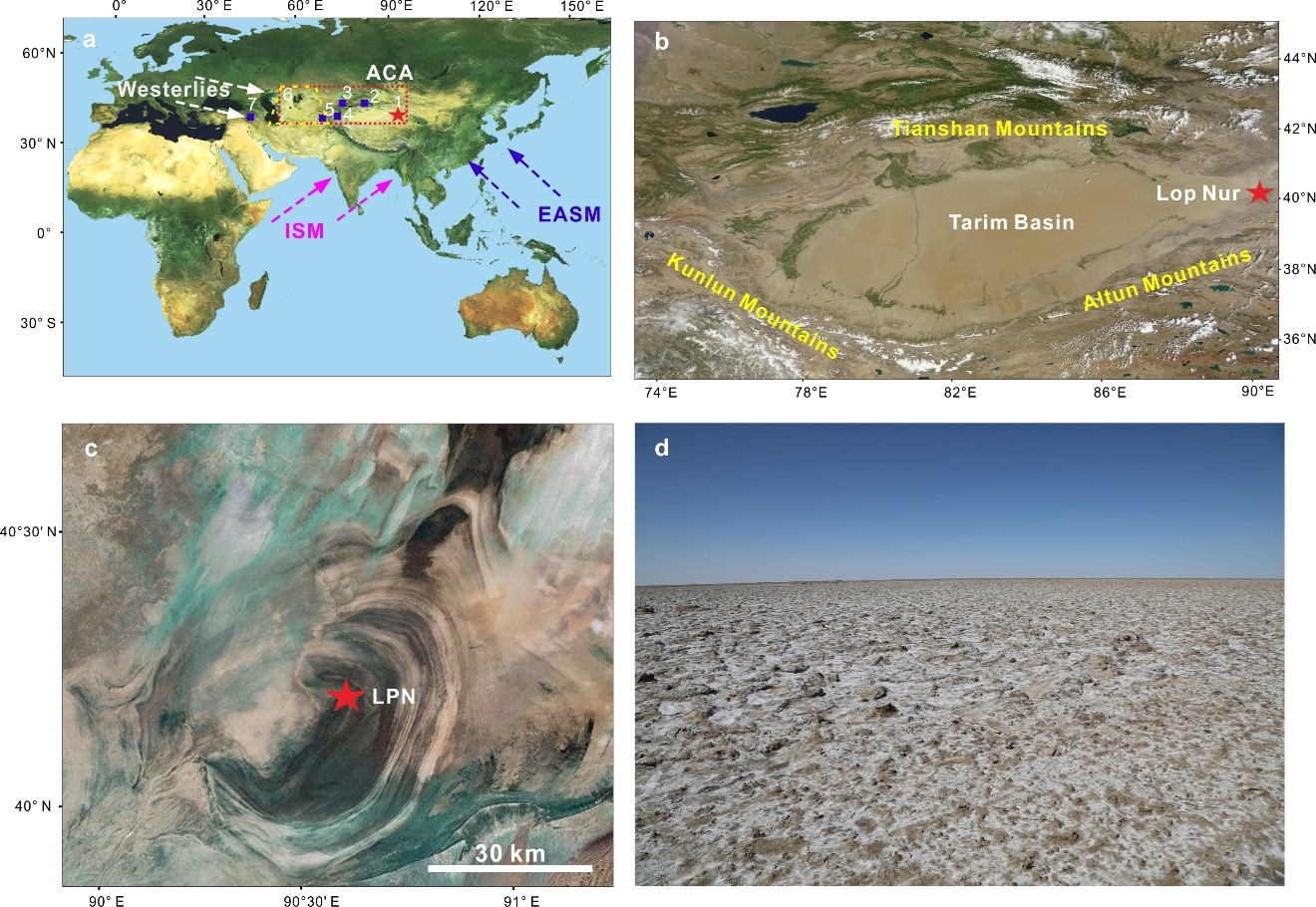 Chinese Scientists Reveal the Evolution of Desert Vegetation at Lop NurA new study has revealed an alternation between temperate shrubby desert and temperate semi-shrubby/dwarf semi-shrubby desert from Latest Pleistocene to mid-Holocene (~23.3–7.2 cal kyr BP) at Lop Nur, a well-known example of environmental change in arid Central Asia. The finding was published recenlty in Palaeogeography, Palaeoclimatology, Palaeoecology.Sep 12, 2025
 -
 Researchers Discover How Forest Biodiversity Increases Productivity via Complementary Use of Canopy Space by Tree SpeciesA new study published in PNAS shows that tree diversity consistently promotes aboveground biomass through fostering greater canopy structural complexity (CSC). Species complementarity is the main driver, with its positive effects strengthening over timeOct 03, 2025
 -
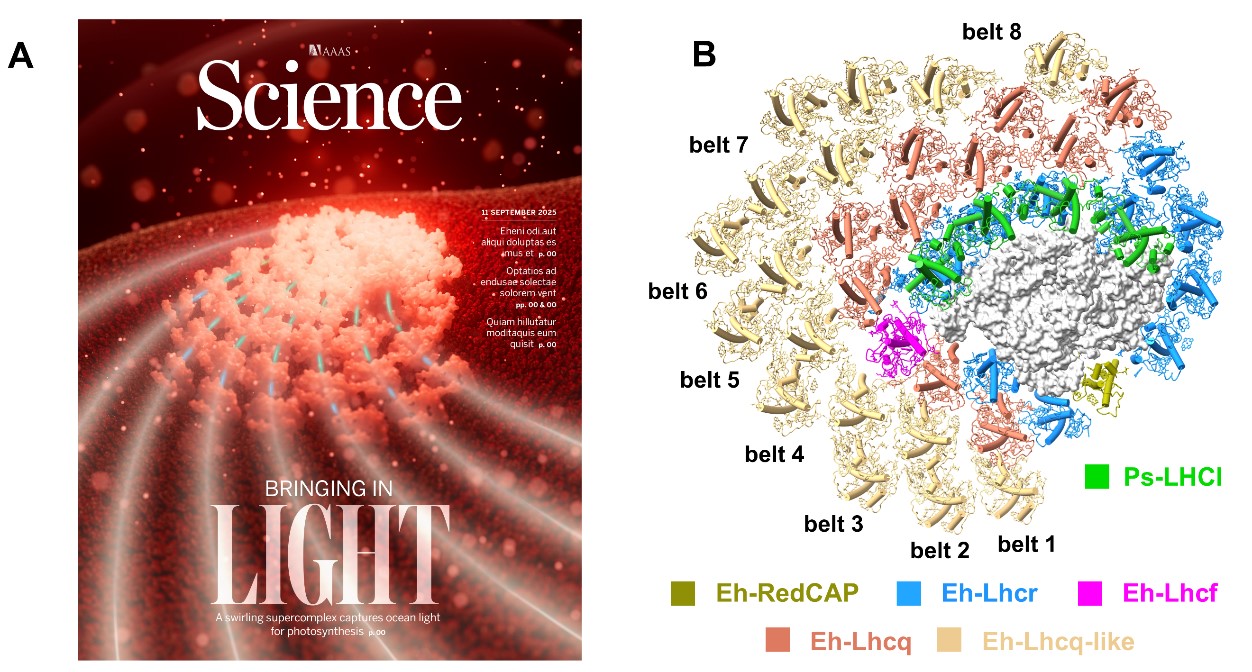 Researchers Reveal Molecular Assembly and Efficient Light Harvesting of Largest Eukaryotic Photosystem ComplexOn September 11, Science featured the work of Chinese researchers on its cover. A team co-led by Prof. WANG Wenda and Prof. TIAN Lijin from the Institute of Botany, Chinese Academy of Sciences, together with collaborators, reports the first three-dimensional structure of the photosystem I–fucoxanthin–chlorophyll a/c-binding protein supercomplex (PSI-FCPI) from a coccolithophore. The study reveals how this giant photosynthetic machine can expand its light-harvesting cross-section by 3–4 fold while still maintaining over 95% energy conversion efficiency.Sep 12, 2025
 -
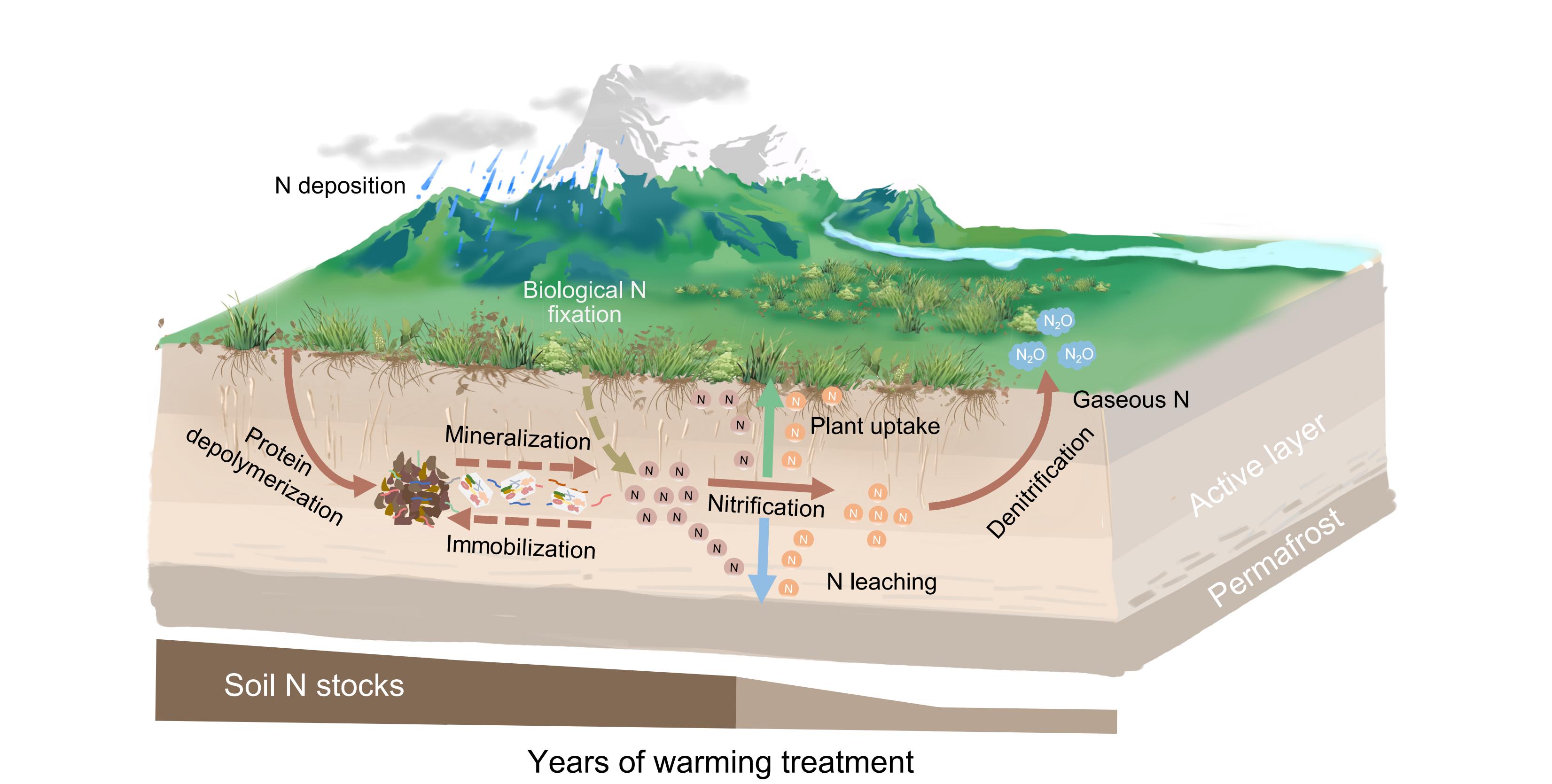 Decadal Warming Depletes Topsoil Nitrogen Stocks in Permafrost EcosystemsA research team led by Prof. YANG Yuanhe from the Institute of Botany of the Chinese Academy of Sciences (IBCAS), in collaboration with partners, highlights that the vulnerability of soil nitrogen (N) stocks with prolonged warming in a Tibetan permafrost ecosystem.Sep 09, 2025
 -
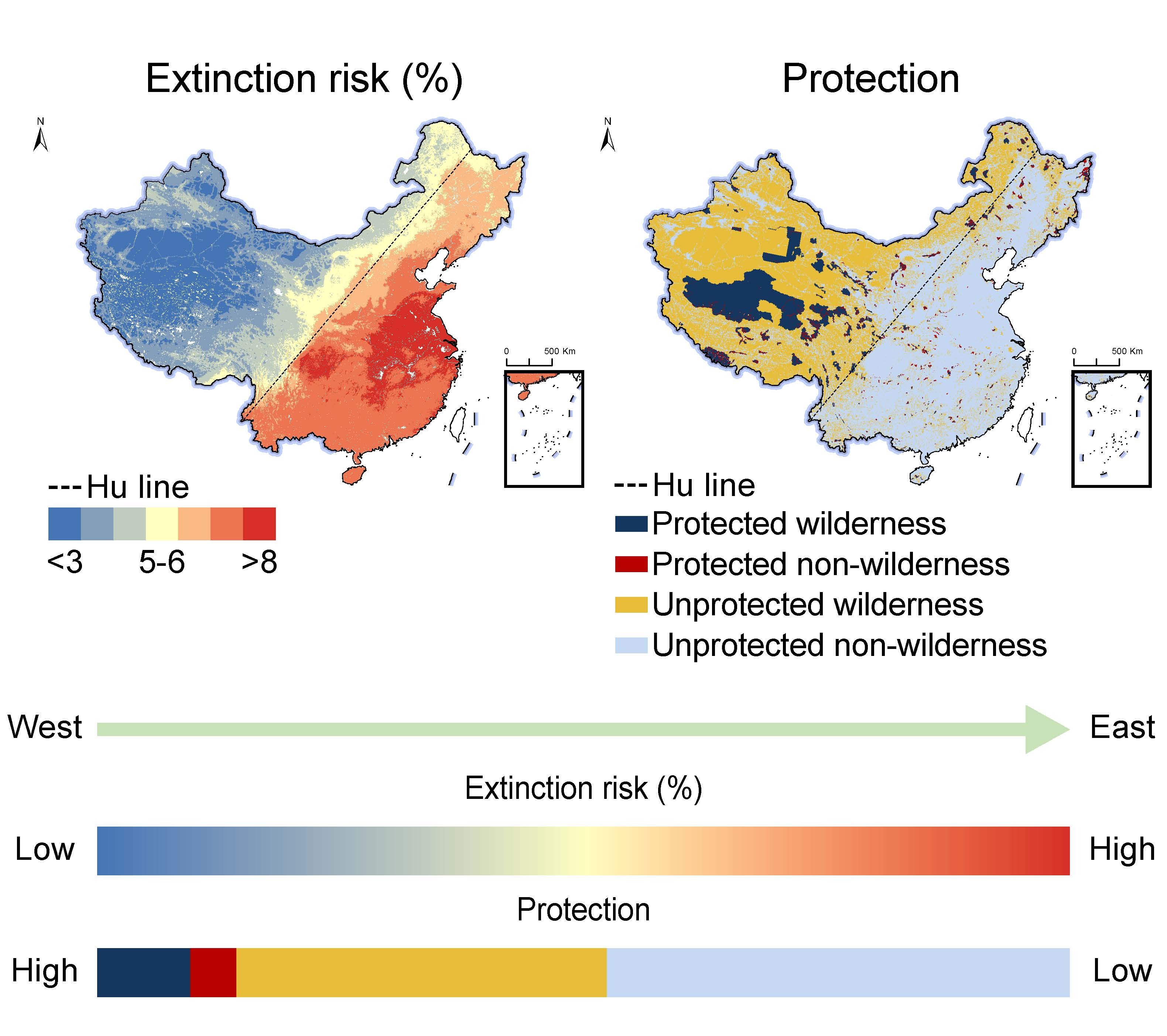 Chinese Scientists Reveal Hidden Extinction Crisis in Native FloraA team led by Dr. SHEN Guozhen from the Institute of Botany, Chinese Academy of Sciences, together with domestic and international collaborators, has revealed a "hidden extinction crisis" in China's flora over the past four decades. The study, published in One Earth on 3 September, integrates satellite-derived land-cover data (1980-2018) with species-composition models to quantify, for the first time at a national scale, how habitat loss reshapes extinction risk for entire plant communities.Sep 01, 2025
 -
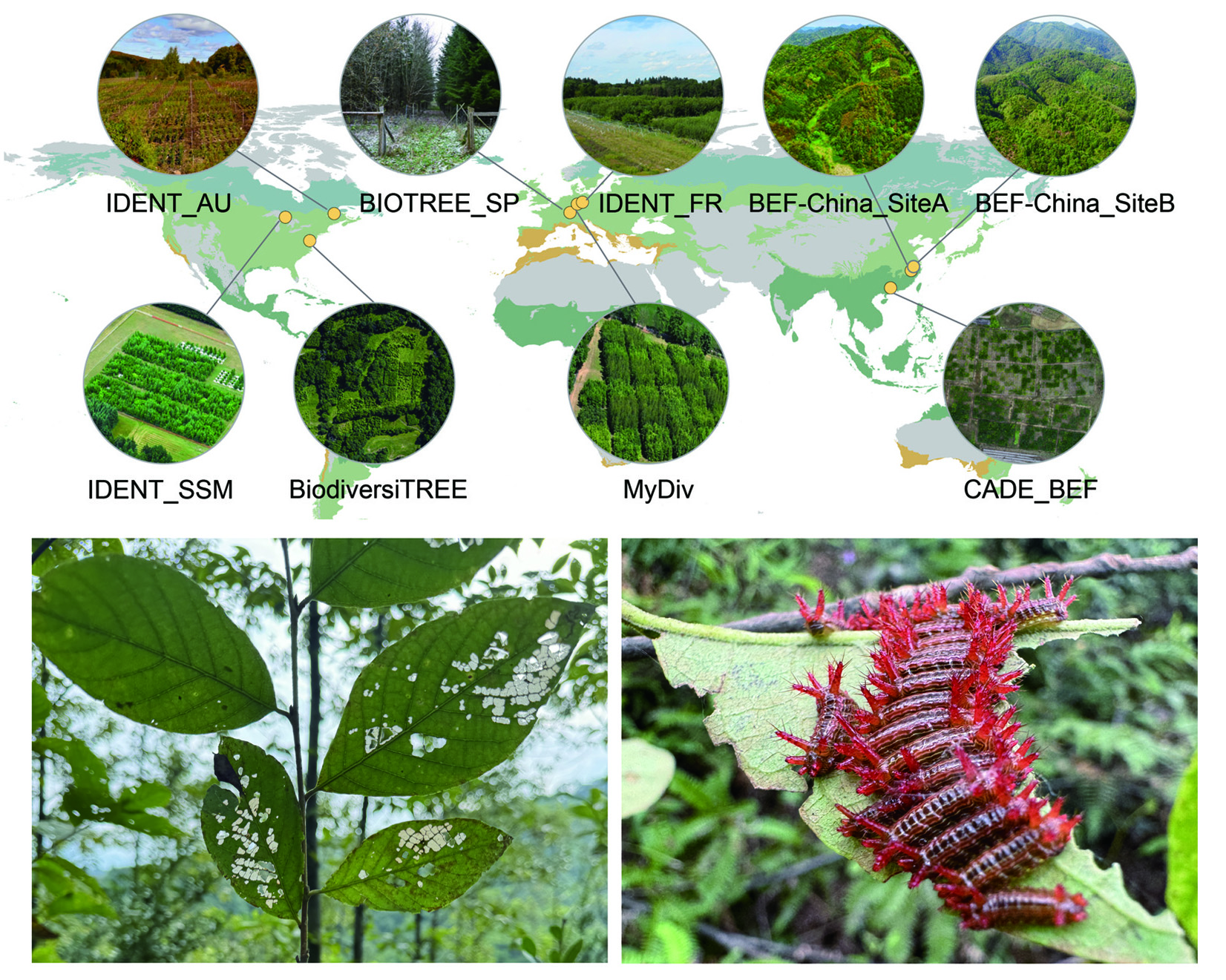 The Tree Growth-Herbivory Relationship Depends on Functional Traits Across Forest Biodiversity ExperimentsA new study published on Nature Ecology & Evolution has revealed a positive relationship between tree growth and insect herbivory, as well as between tree species richness and herbivory. The research, conducted by an international team of scientists and led by Prof. LIU Xiaojuan from Institute of Botany, the Chinese Academy of Sciences (IBCAS), based on data from 8,800 trees across 80 species in nine biodiversity experiments from Tree Diversity Network (TreeDivNet) in various biomes.Aug 31, 2025
 -
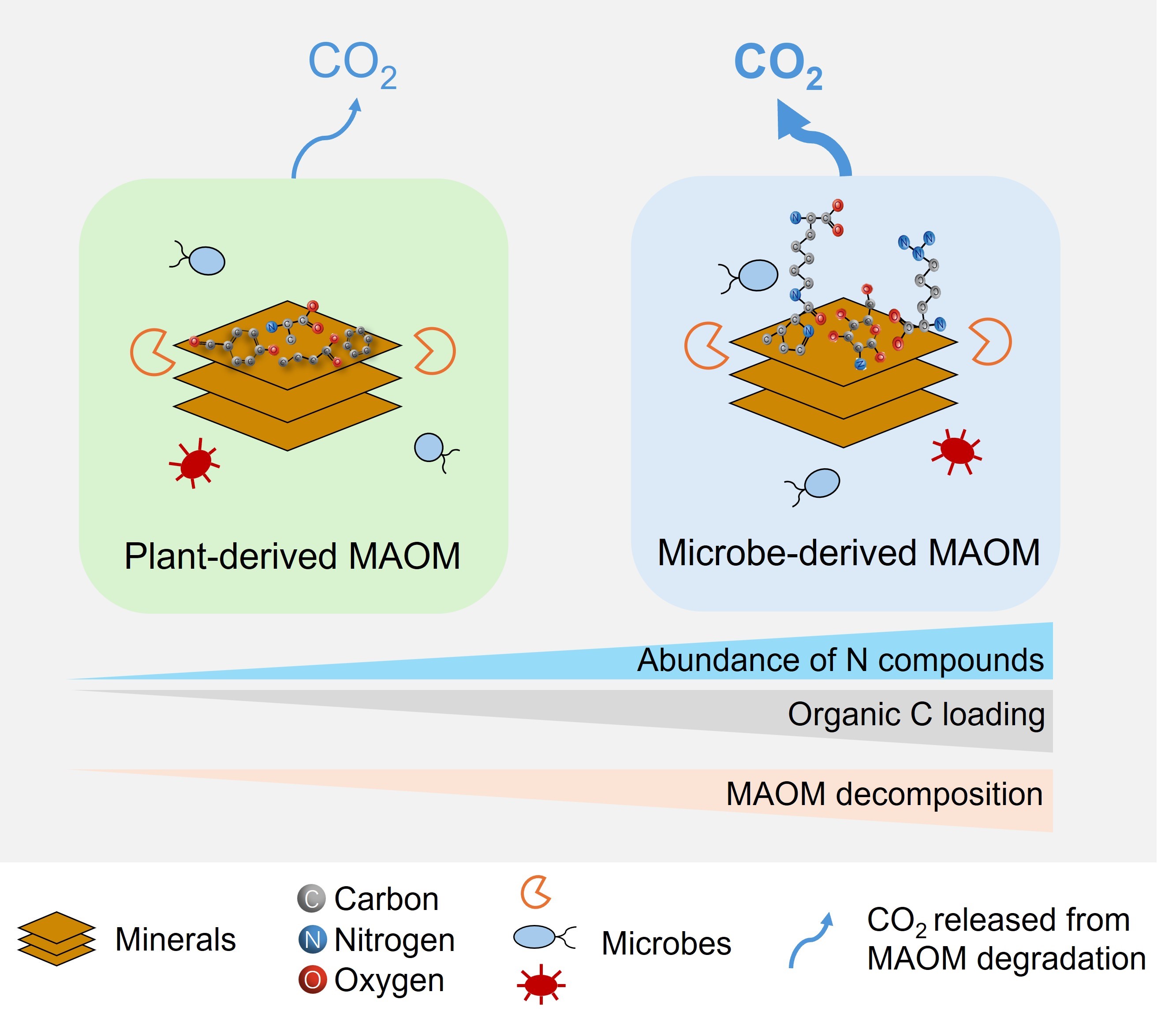 Uncovering Fast Decomposition of Nitrogen-Rich Mineral-Associated Organic Matter in SoilsA recent study published in Global Change Biology reveals that nitrogen (N)-rich mineral-associated organic matter (MAOM) decomposes more rapidly than expected. This finding challenges the prevailing view that microbe-derived N-containing compounds are strongly sorbed to mineral surfaces and hence resistant to degradation.Aug 25, 2025