News
-
 Canopy Structure: A Hidden Pathway to Stronger Grassland Carbon SinksA research team led by Prof. LIU Lingli from the Institute of Botany of the Chinese Academy of Sciences (IBCAS), has revealed the vital role of canopy structure in regulating ecosystem carbon use efficiency (CUE) in semi-arid grasslands. The findings, published in Journal of Ecology, provides compelling evidence that deepened snow cover enhanced the ecosystem CUE by improving the photosynthetic carbon uptake relative to respiratory loss in a temperate grassland. Notably, this response resulted from two main interacting pathways: resource-mediated physiological processes and canopy structure-mediated biophysical processes.Jan 12, 2026
 -
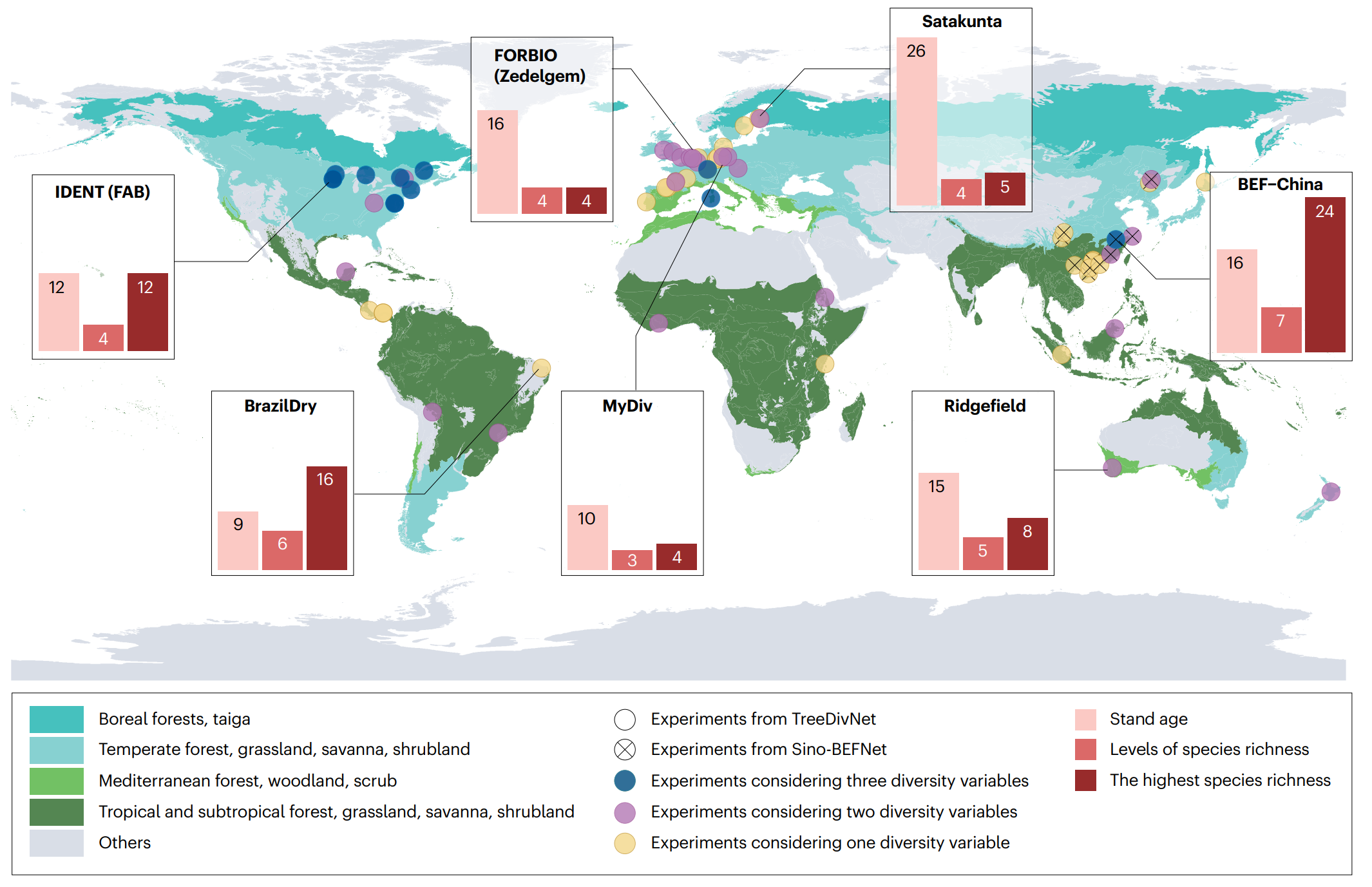 Ecological Insights from 30 Years of Forest Biodiversity ExperimentsAn international team of experts led by Prof. MA Keping and Prof. LIU Xiaojuan from the Institute of Botany of the Chinese Academy of Sciences (IBCAS) provide ecological insights from 30 years of global forest biodiversity experiments in a new synthesis of empirical work in the journal Nature Reviews Biodiversity.Jan 04, 2026
 -
 Asteroid Named after Chinese Botanist Kuang TingyunAn asteroid has been officially named after Kuang Tingyun, a distinguished Chinese botanist renowned for her long-standing research on photosynthesis, the Institute of Botany under the Chinese Academy of Sciences (IBCAS) said TuesdayDec 30, 2025
 -
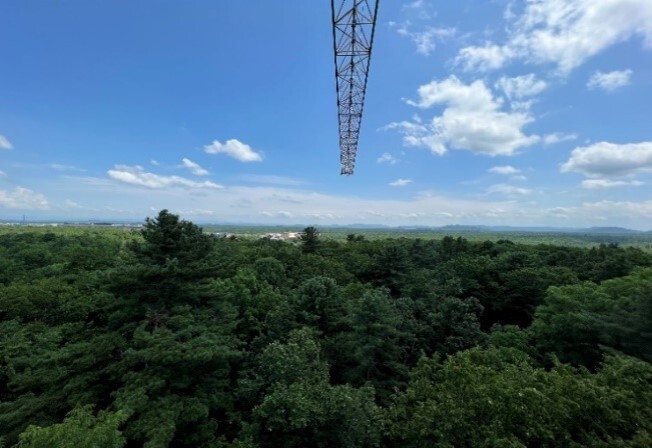 Leaf Elementomes Reveal Close Links with Water-Use Strategies Across Forest EcosystemsA recent study published in Plant, Cell & Environment demonstrates that leaf elementomes are closely linked to intrinsic water-use efficiency (iWUE), revealing key mechanisms underlying plant water-use strategies across diverse forest ecosystems. Led by Prof. YAN Zhengbing from the Institute of Botany of the Chinese Academy of Sciences, the team systematically collected canopy leaf samples from 82 tree species spanning China's three major forest types, quantifying iWUE variability and its associations with maximum carboxylation capacity (Vc,max), stomatal conductance (gs), leaf elementomes, and leaf reflectance spectroscopy.Dec 18, 2025
 -
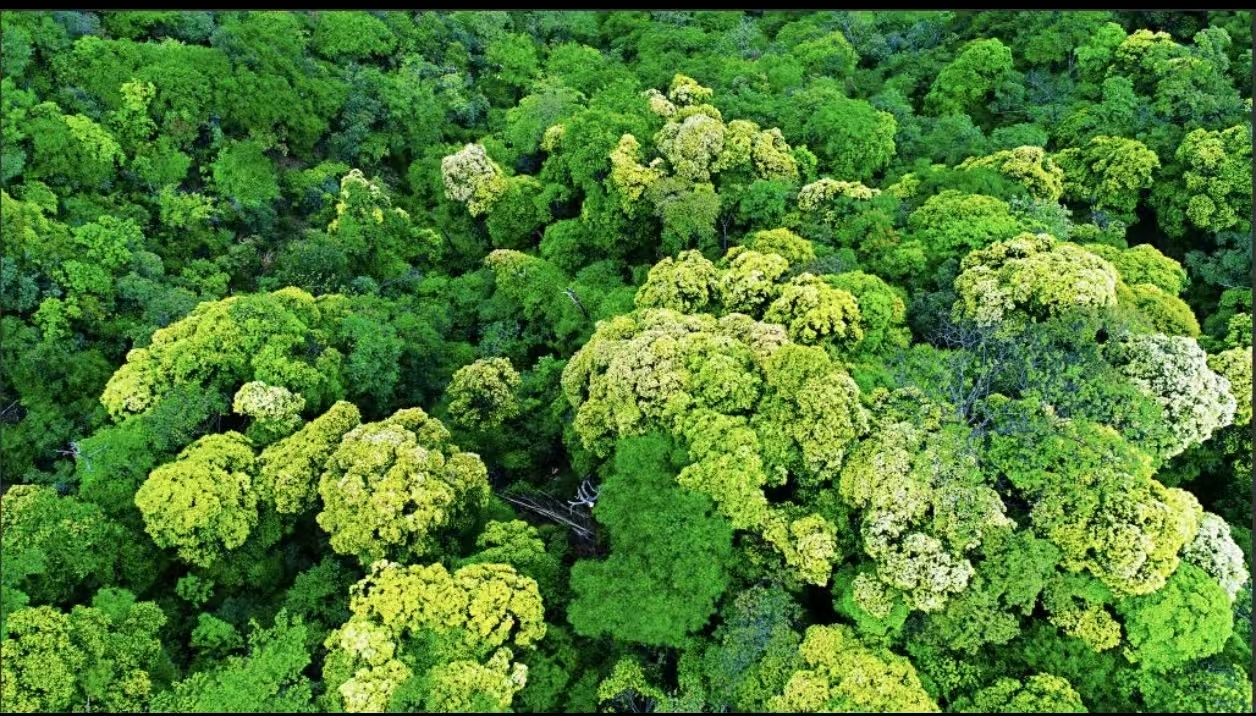 Fungal Allies: Unsung Heroes of Seedling Survival in Subtropical ForestsA recent study published in Ecology Letters sheds new light on the mechanisms underlying plant community assembly and biodiversity maintenance, revealing that plant-associated microorganisms play a pivotal yet underappreciated role in mediating species coexistence.Dec 18, 2025
 -
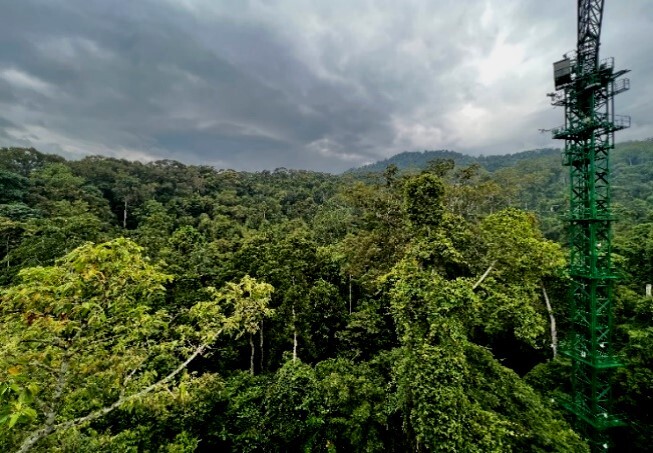 Leaf Economic Strategies Drive Global Variation in Plant Responses to Phosphorus EnrichmentA global study published in Nature Communications provides the strongest evidence yet that leaf economic strategies are the key drivers of how terrestrial plants respond to phosphorus (P) enrichment worldwide. Led by Prof. YAN Zhengbing from the Institute of Botany of the Chinese Academy of Sciences, the team synthesized 5,548 observations draw from 317 publications to quantify how individual plant biomass and biomass allocation respond to experimentalDec 15, 2025
 -
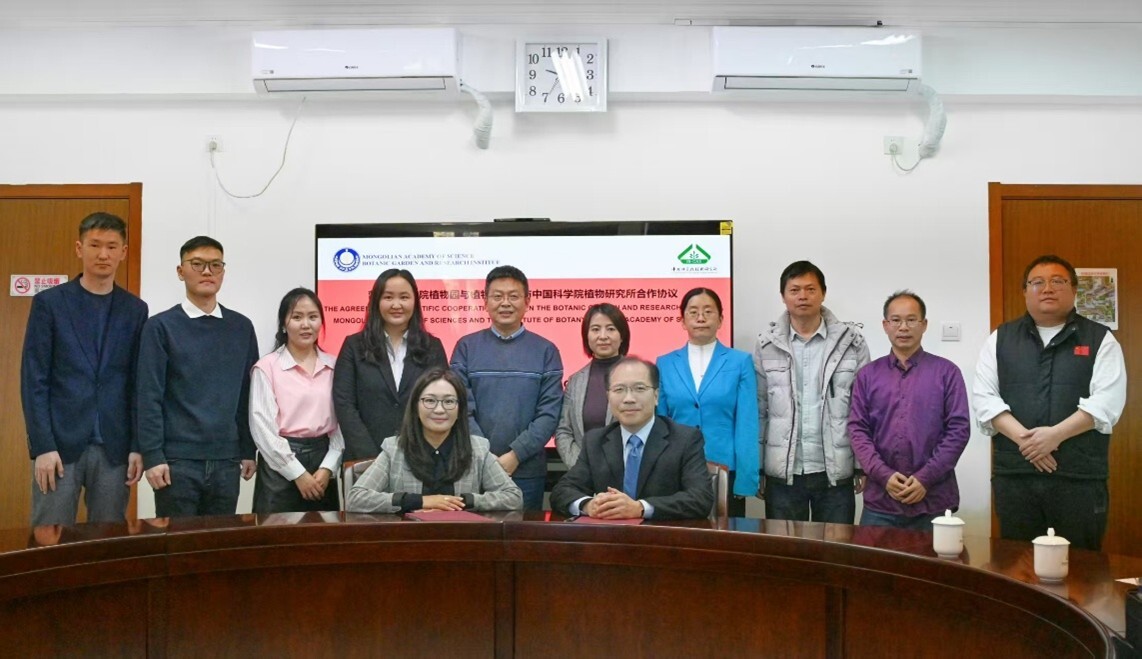 Delegation from the Botanic Garden and Research Institute, Mongolian Academy of Sciences, Visited IBCASOn 27 November, a delegation led by Prof. Tuvshintogtokh Indree, the Director of the Botanic Garden and Research Institute of the Mongolian Academy of Sciences (BGRI-MAS), visited the Institute of Botany, Chinese Academy of Sciences (IBCAS). The two sides held in-depth discussions on global climate change, plant community dynamics of the Mongolia steppe, and the ecological restoration of degraded grasslands. During the visit, IBCAS and BGRI-MAS renewed the cooperation agreement. Prof. YANG Yongfeng, the Secretary of the Party Committee of IBCAS, together with relevant staff from IBCAS participated in the exchange activityDec 03, 2025
 -
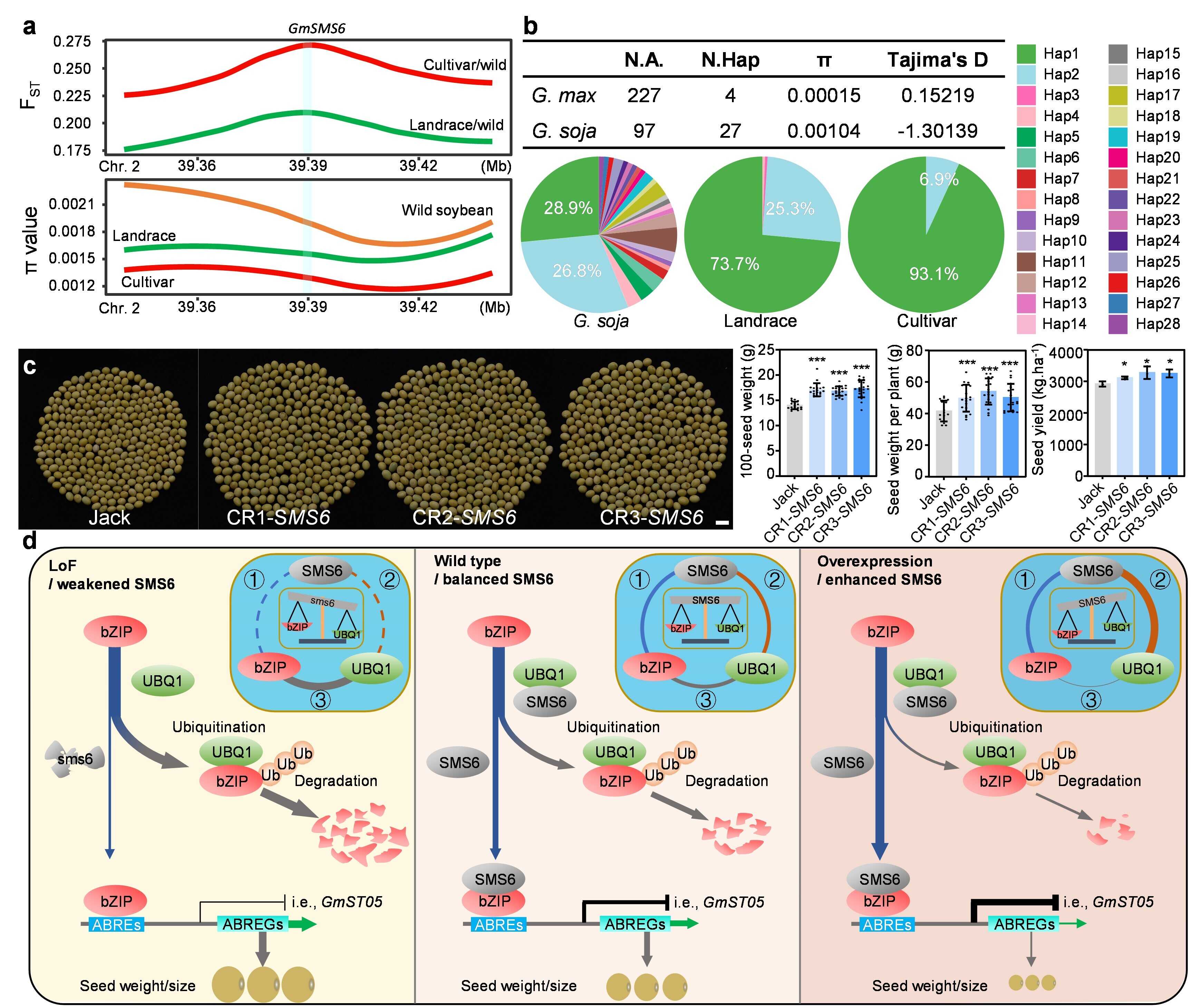 Chinese Scientists Reveal that 14-3-3 Protein Acts as a Key Modulator of Soybean Seed Weight and QualityBy cloning and characterizing the GmSMS6 gene, a team led by Prof. HE Chaoying at the Institute of Botany, Chinese Academy of Sciences (IBCAS), has identified a crucial modulator of soybean seed weight and quality. Published in Nature Communications, the findings demonstrate that targeted gene knockout can increase soybean yield, revealing significant potential for breeding high-yield and high-quality soybeans.Nov 30, 2025
 -
 Grassland Degradation Reshapes the Relationship between Biodiversity and Ecosystem MultifunctionalityA research team led by Prof. YANG Yuanhe from the Institute of Botany, Chinese Academy of Sciences (IBCAS), has revealed how grassland degradation alters the relationship between biodiversity and ecosystem multifunctionality across the Tibetan alpine grasslands. The findings, published in Nature Plants, provide the first large-scale field evidence that grassland degradation fundamentally shifts the relationship between biodiversity and ecosystem multifunctionality- shifting it from plant-dominated to increasingly soil microbes mediated.Nov 10, 2025
 -
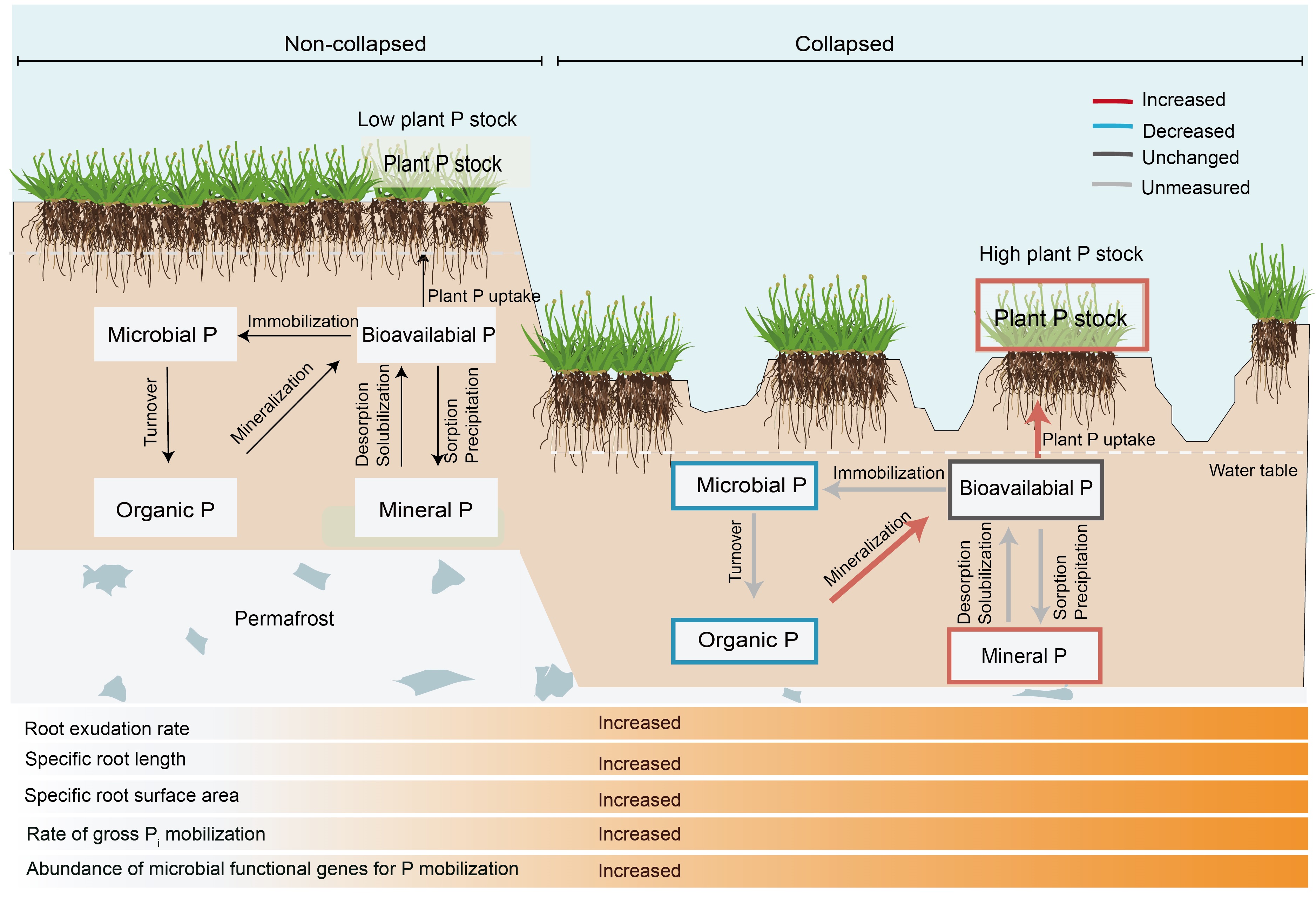 Abrupt Permafrost Thaw Accelerates Soil Phosphorus Cycling, Potentially Offsetting Carbon ReleasePermafrost thaw can stimulate the release of soil carbon, triggering a positive carbon-climate feedback that may be mediated by changes in soil phosphorus (P) availability. A research team led by Prof. YANG Yuanhe from the Institute of Botany, the Chinese Academy of Sciences (IBCAS), reports that abrupt permafrost thaw accelerates soil P cycling, with potential consequences for plant primary productivity and carbon sequestration in permafrost ecosystems.Oct 18, 2025