News
-
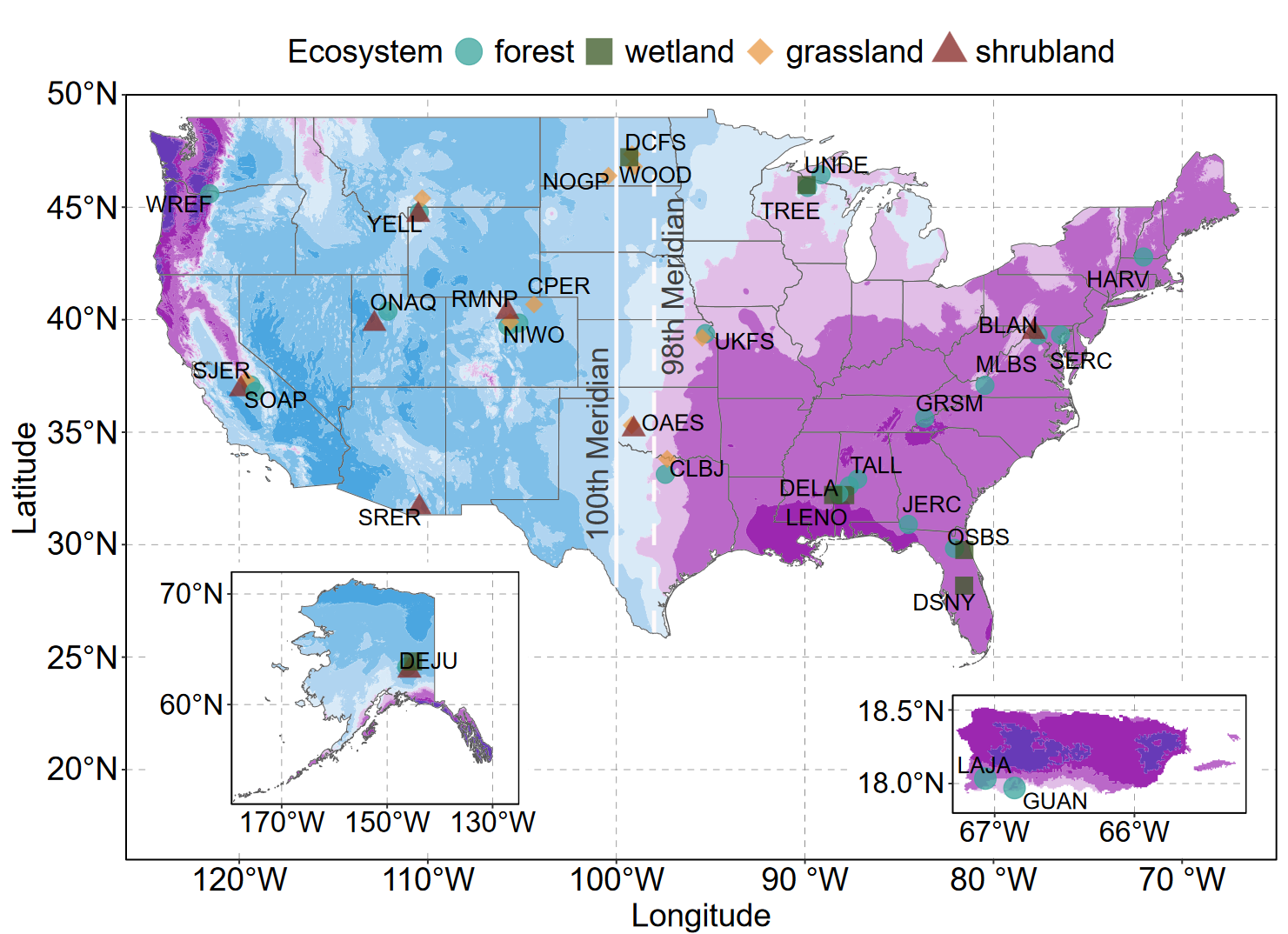 Study Reveals a Precipitation Threshold Regulating Ecosystem Nitrogen RetentionMay 25, 2026
 -
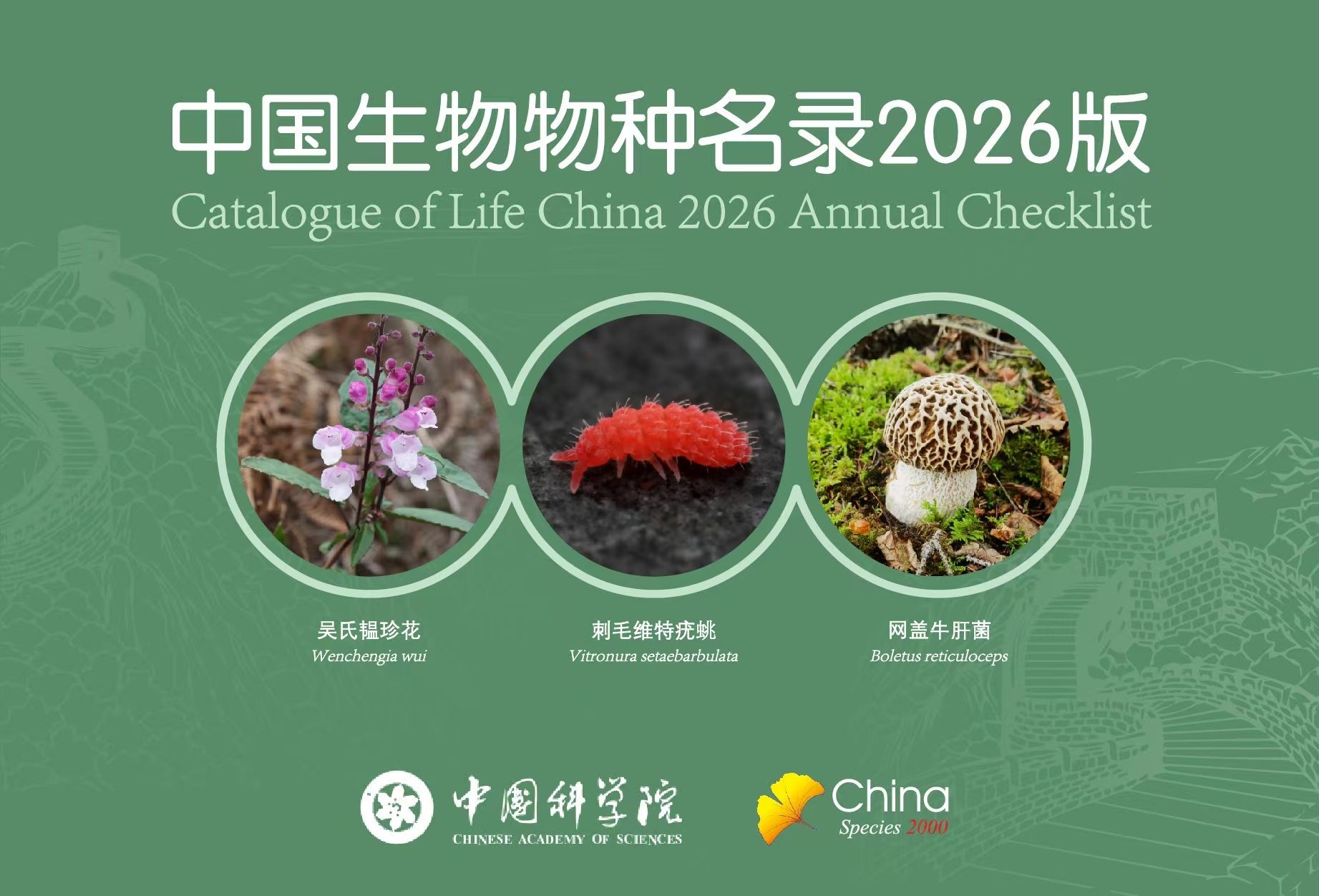 China Unveils 2026 Biodiversity CatalogueOn May 22, 2026, coinciding with the 26th International Biodiversity Day, the Biodiversity Committee of Chinese Academy of Sciences (BC-CAS) released the Catalogue of Life China 2026 Annual Checklist. The updated checklist is now freely available for global users to download at http://www.sp2000.org.cnMay 22, 2026
 -
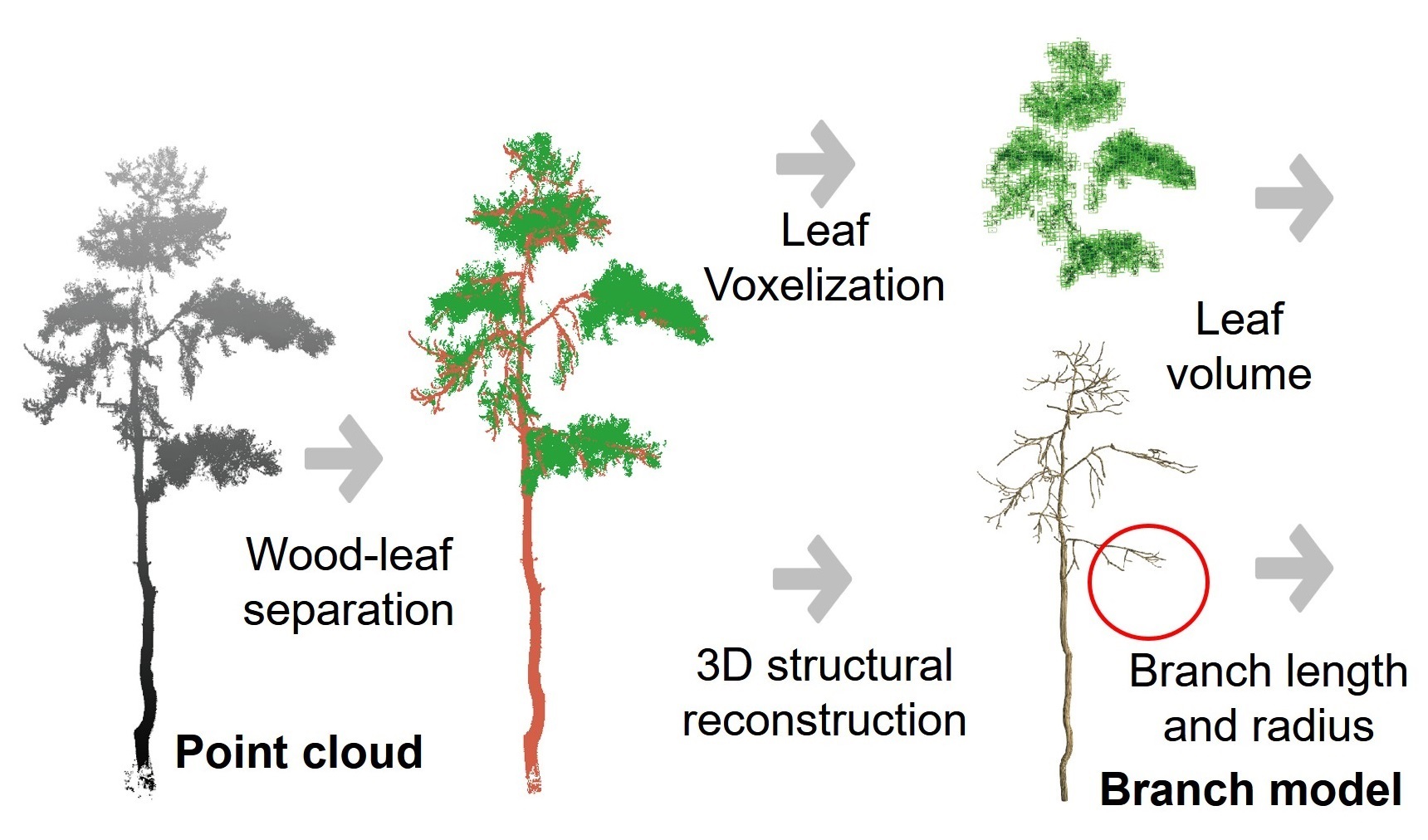 LiDAR Enables Non-destructive Estimation of Tree Above-ground Biomass and Its ComponentsA recent study published in Methods in Ecology and Evolution presents a new terrestrial laser scanning-based method for accurately estimating tree above-ground biomass and its allocation among stems, branches, and leaves without destructive harvesting.May 17, 2026
 -
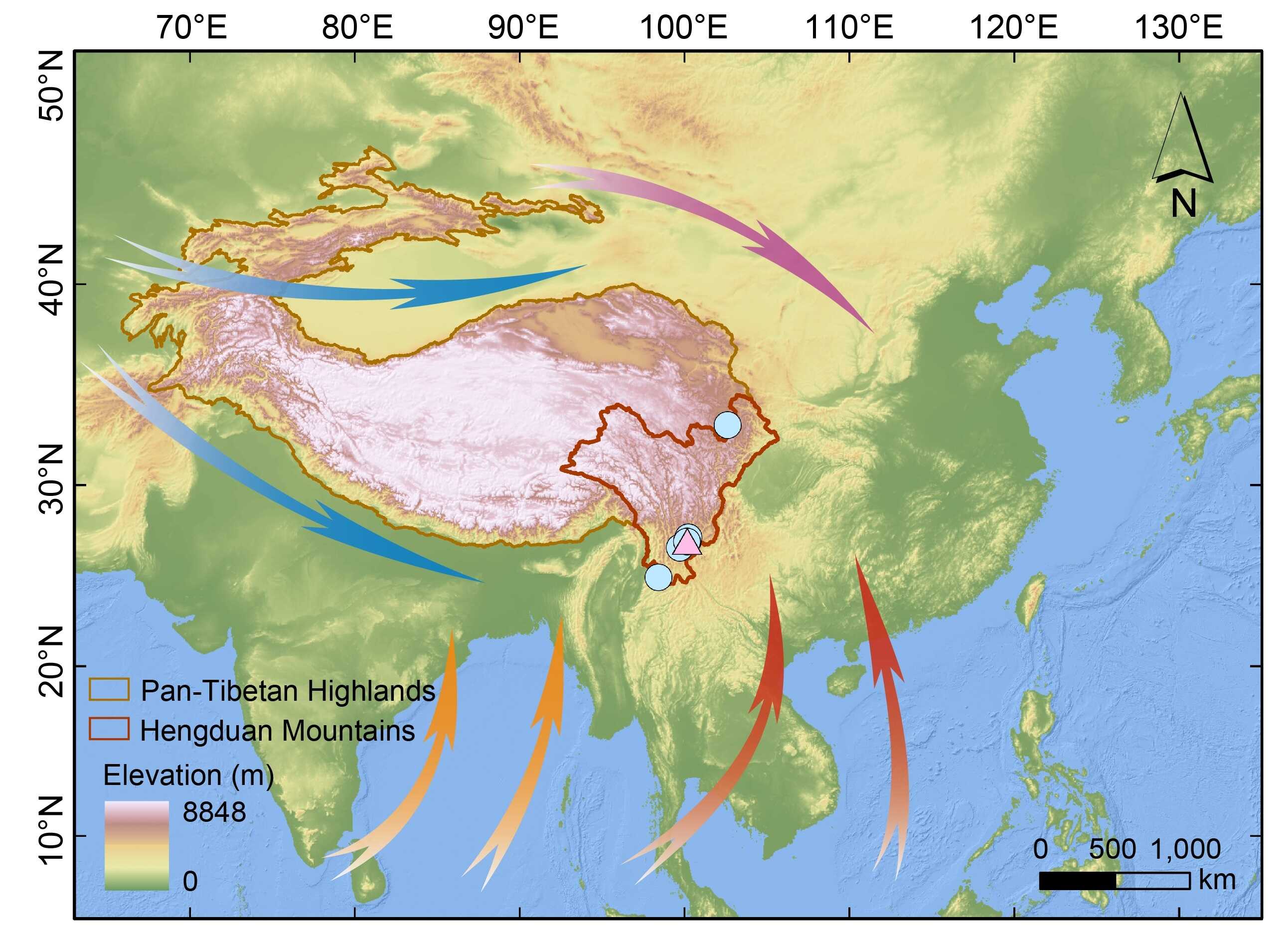 Chinese Scientists Reveal the Response of Plant Diversity to Climate Change Over the Past 14000 Years in the Hengduan MountainsA new study published in Palaeogeography, Palaeoclimatology, Palaeoecology, has revealed a complex response of plant diversity to climate warming during the past 14000 years in the Hengduan Mountains of southwestern China, one of the world's foremost biodiversity hotspots.May 12, 2026
 -
 Phosphorus Addition Reshapes Phosphorus Cycling Across Global Terrestrial EcosystemsPhosphorus (P) is an important element that limits plant growth and the productivity of terrestrial ecosystems. A recent study published in Global Change Biology reveals that P addition systematically reshapes P cycle in terrestrial ecosystems worldwide, shifting ecosystem from P recycling systems toward acquiring and alleviating ecosystem P limitation.Apr 16, 2026
 -
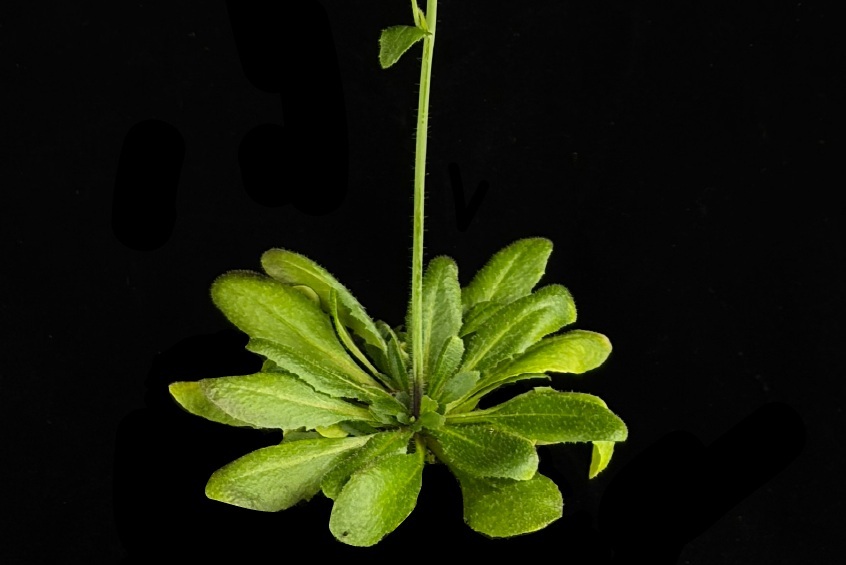 New Insights into the Enigma of Transposable Element Abundance in ArabidopsisA recent comprehensive review summarizes the key factors driving transposable element (TE) abundance enigma in Arabidopsis and offers new insights and new directions for future research in the field.Apr 14, 2026
 -
 Wetland Drainage Triggers Divergent Soil Carbon Responses in Carbon-Poor versus Carbon-Rich WetlandsA recent study published in Global Change Biology reveals a transcontinental divergence in soil carbon stock responses to decades of wetland drainage, challenging the widely accepted assumption that drainage generally causes wetland soil organic carbon (SOC) loss.Apr 06, 2026
 -
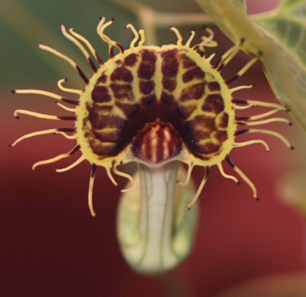 How a Simple Genome Led to Phenotypic Complexity: Insights from Genomic and Epigenomic Studies in Aristolochia fimbriataA research team led by Prof. JIAO Yuannian from the Institute of Botany of the Chinese Academy of Sciences (IBCAS) has created a high-resolution map of the centromeric architecture and three-dimensional (3D) epigenomic landscape of the magnoliid species Aristolochia fimbriata, offering new insights into how regulatory network rewiring drives the evolution of its specialized floral traits. The study was published in Genome Biology.Mar 28, 2026
 -
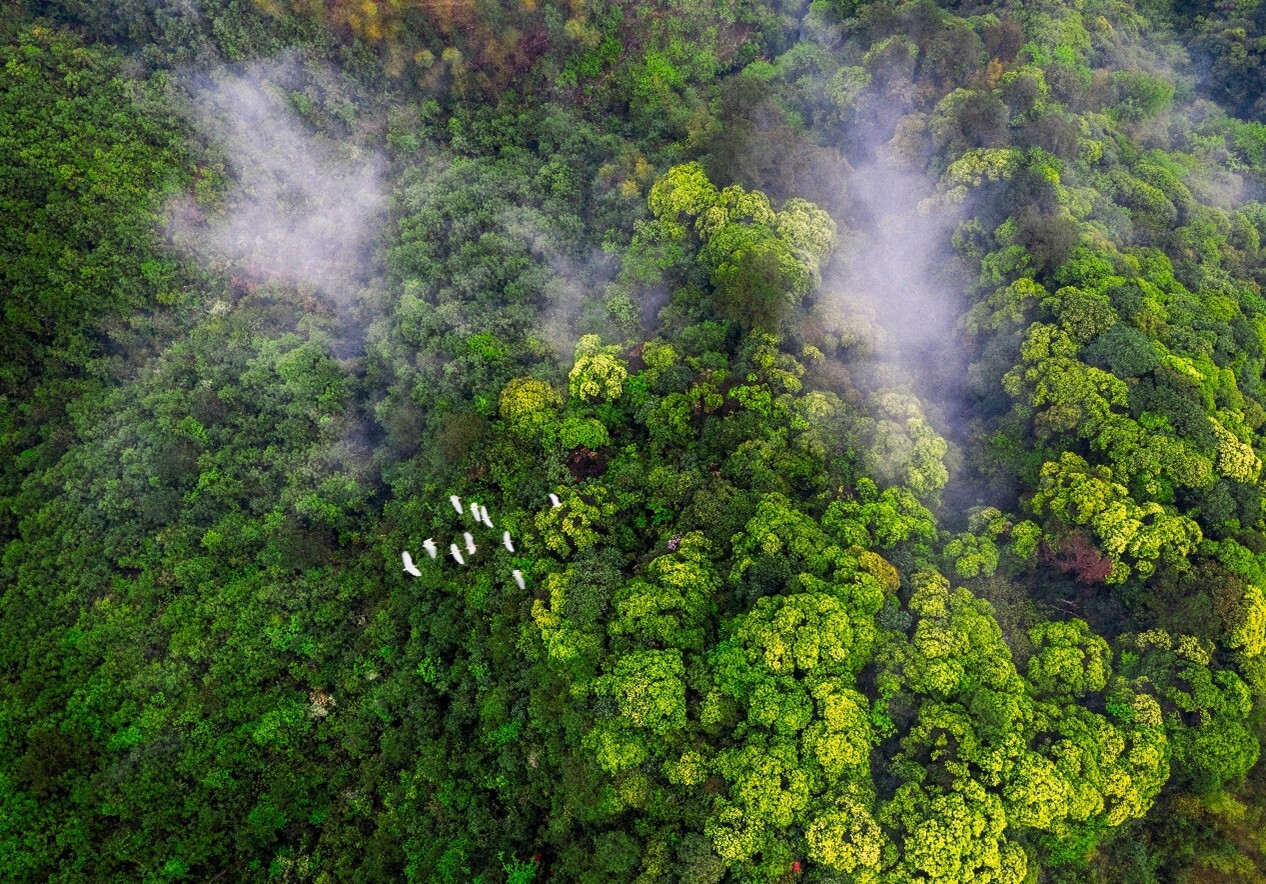 Phylogenetically Diverse Central China Proposed as Newest Global Biodiversity HotspotResearchers led by Prof. LU Limin and Prof. CHEN Zhiduan from the Institute of Botany, Chinese Academy of Sciences, in collaboration with partners from the United Kingdom and Australia, have identified a previously overlooked global biodiversity hotspot in Central China.Mar 31, 2026
 -
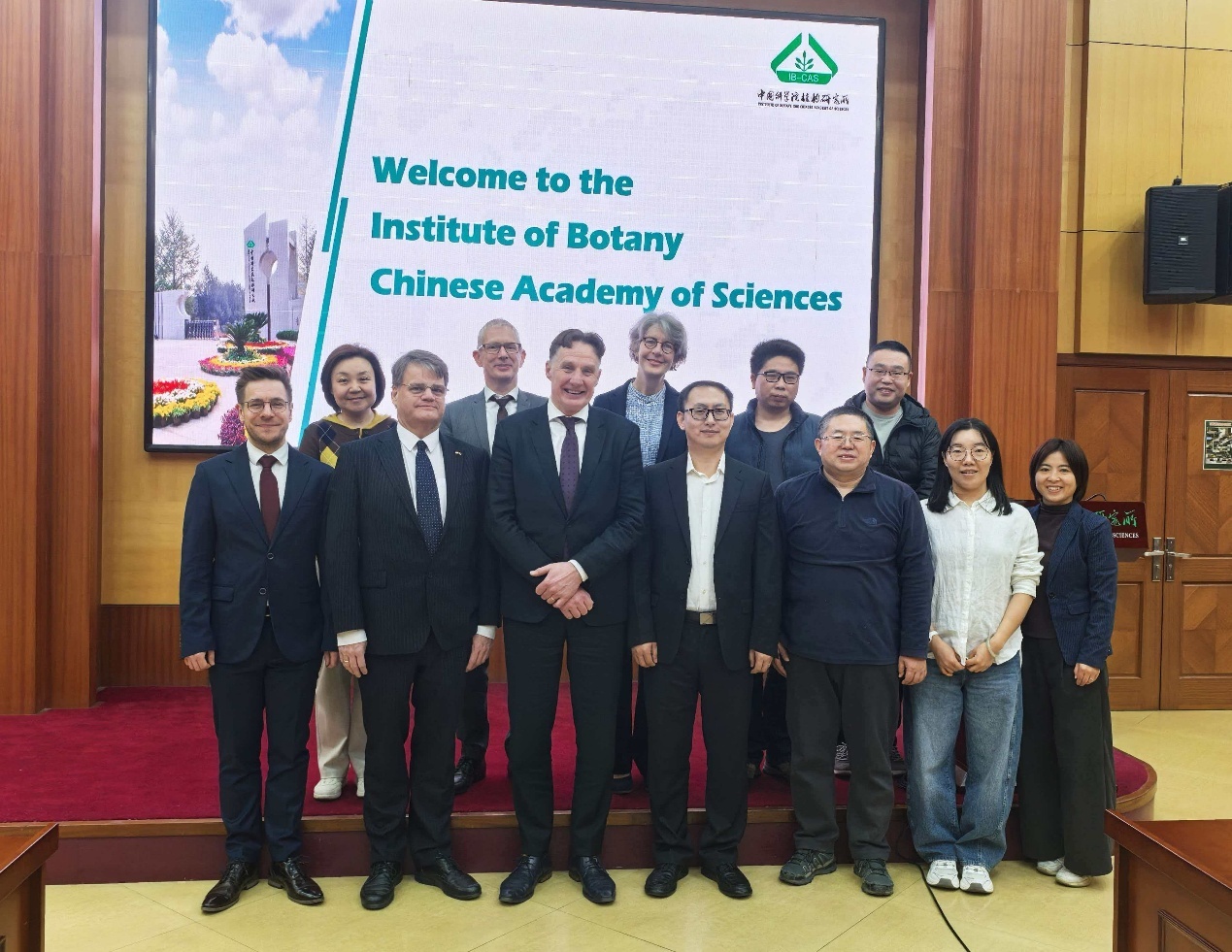 Mr. Meeuwes Brouwer, Chief Phytosanitary Officer of the Dutch Ministry of Agriculture, Fisheries, Food Security and Nature, and his delegation visited IBCASMar 20, 2026