News
-
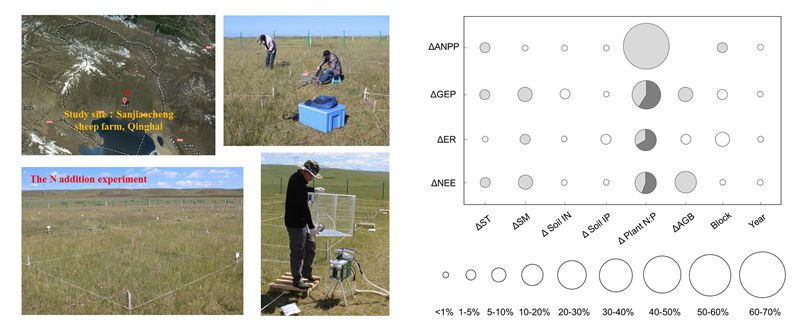 Recent Advances in the Responses of Ecosystem Carbon Fluxes to N Addition by Researchers of the IBCASJun 22, 2017
 -
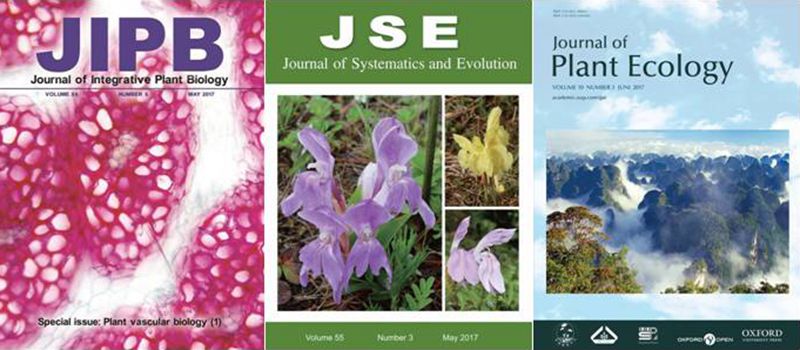 Three IBCAS Journals Impact Factors Increase in 2016 Journal Citation ReportsJun 22, 2017
 -
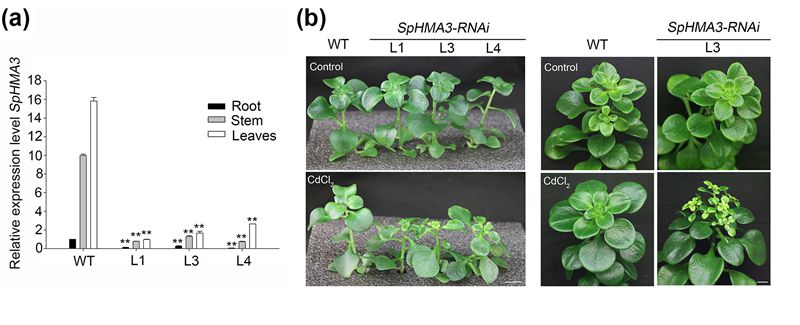 Researchers found heavy metal ATPase 3 (HMA3) conferring cadmium hypertolerance on the cadmium/zinc hyperaccumulator Sedum plumbizincicolaJun 14, 2017
 -
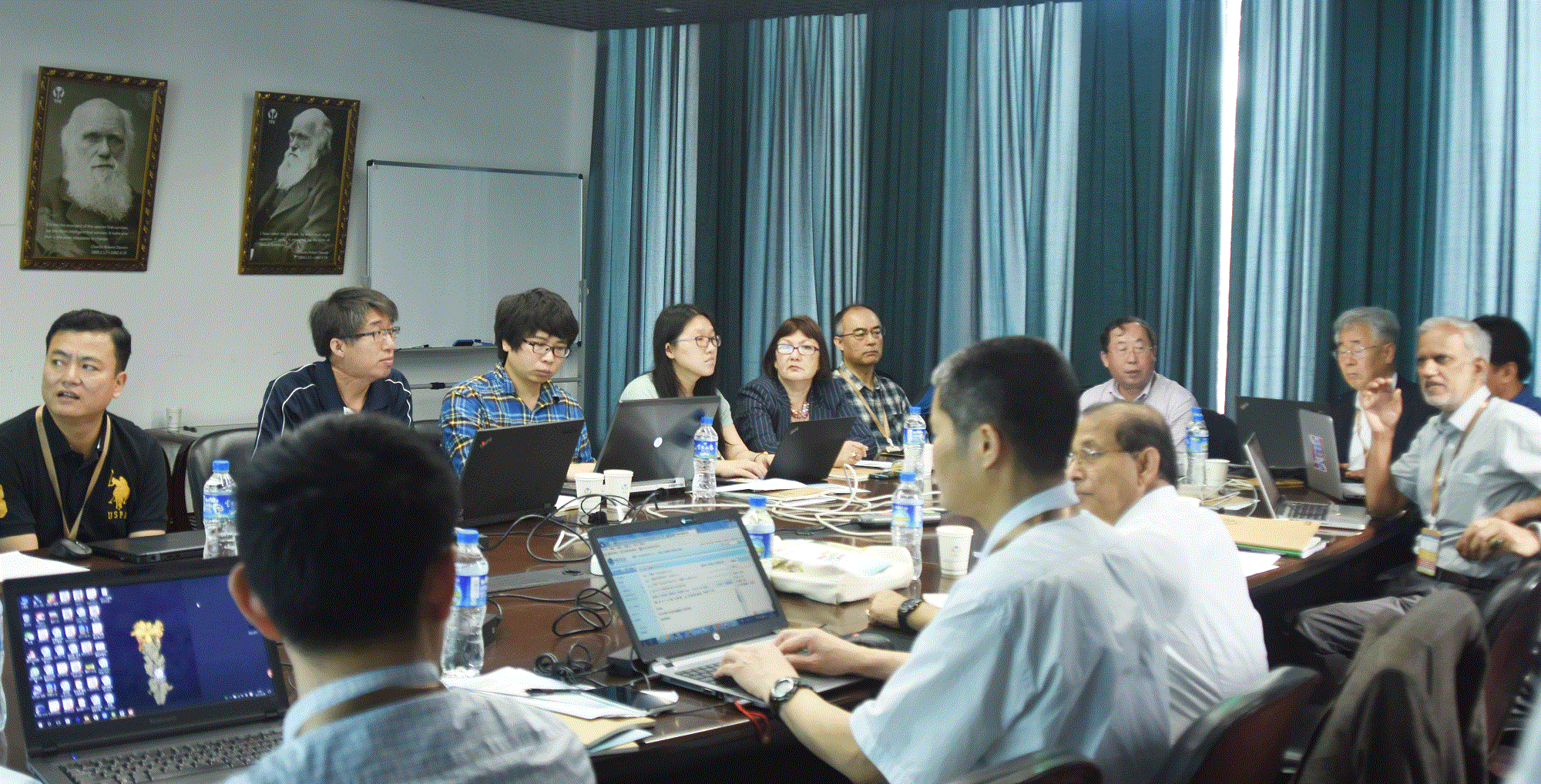 Asia Biodiversity Conservation and Database Network (ABCDNet) Working Group Meeting held in XishuangbannaApr 06, 2017
 -
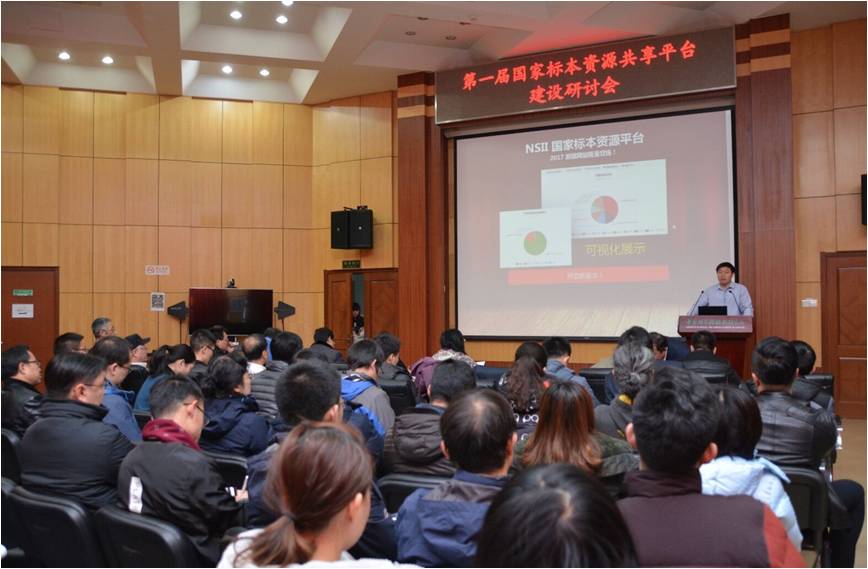 The first session of the National Specimen Information Infrastructure construction seminar was heldIn February 23 - 24, for two days of the first national specimen resource sharing platform construction seminar held in the Institute of Botany, Chinese Academy of Sciences. The meeting was organized by the Institute of Botany, Chinese Academy of Sciences, sponsored by the national specimen resources sharing platform office.Mar 17, 2017
 -
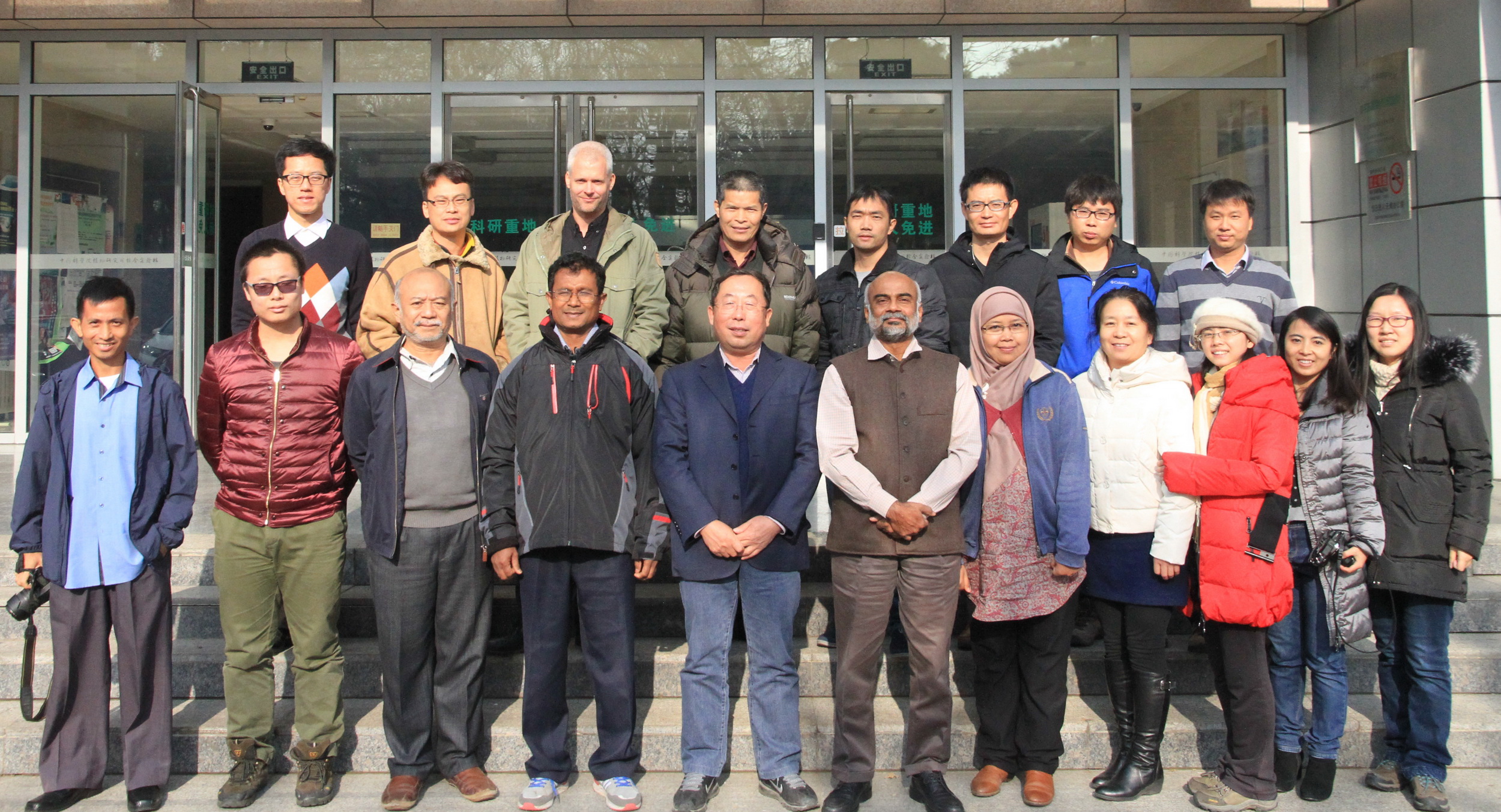 Workshop on Mapping Asia Plants (MAP): Southeast Asia Plant Database Development Held in BeijingDec 14, 2016
 -
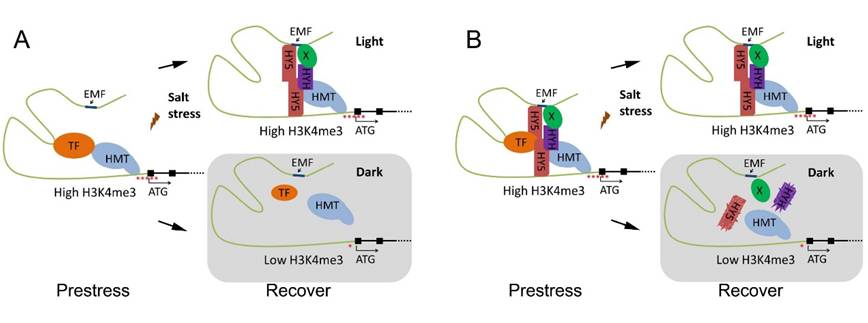 How do plants response to stress?Dec 06, 2016
 -
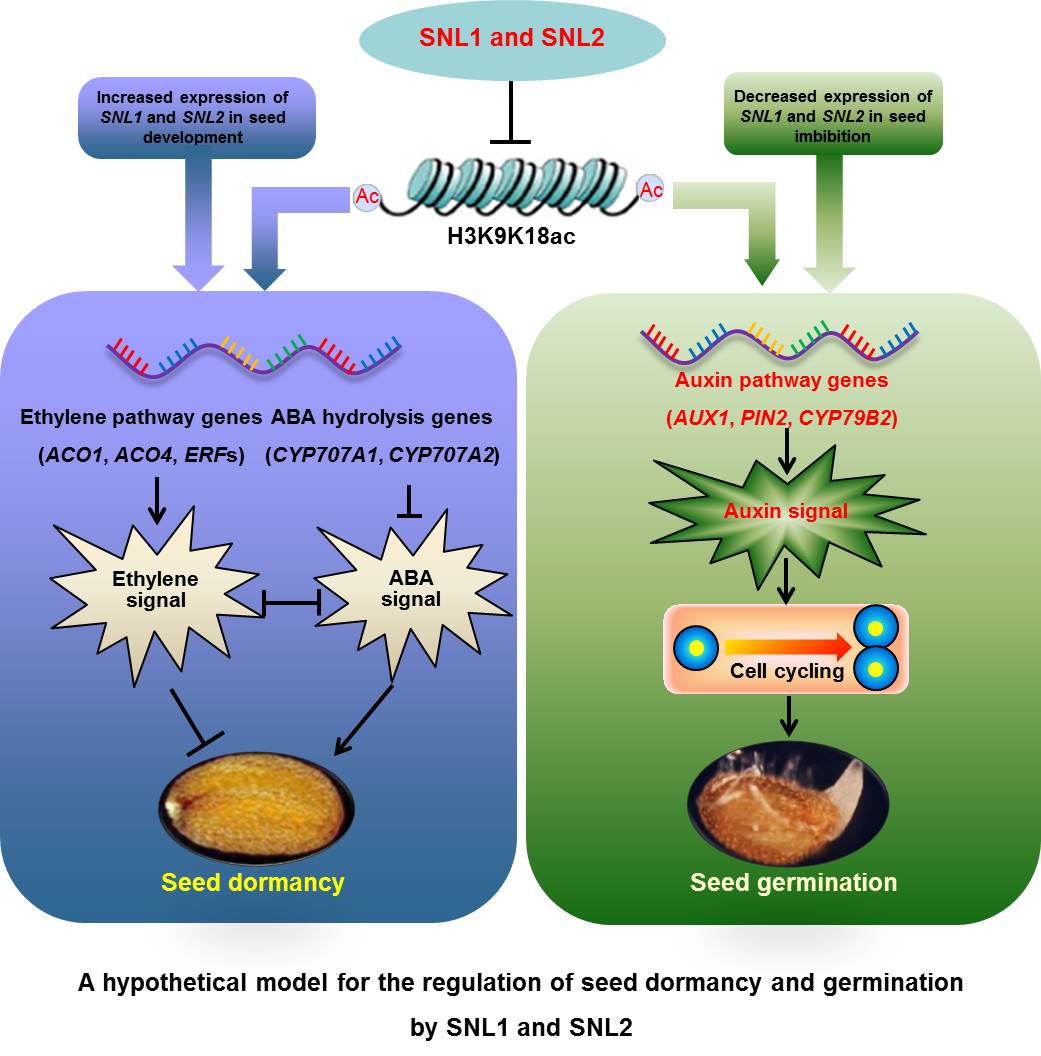 New epigenetic regulator of seed dormancy and germination: Histone deacetylase binding factor SNL1 and SNL2Dec 02, 2016
 -
International Training Course on Long-term Ecosystem Monitoring (ITC-LTEM) and Workshop on China-Africa S&T Cooperation in Resource and Environment FieldSep 23, 2016
-
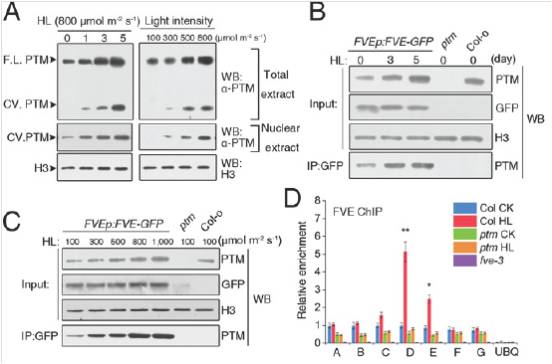 Researchers Found Chloroplasts Function as Essential Sensors of High Light to Regulate FloweringSep 07, 2016