News
-
 Researchers discovered novel molecular mechanism of circadian clock gating JA-induced leaf senescence in ArabidopsisJan 09, 2018
 -
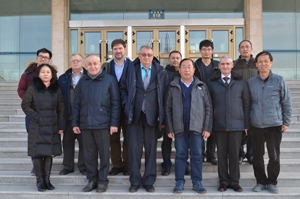 Workshop on Mapping Asia Plants (MAP): Middle Asia (North Asia) and West Asia was held in UrumqiDec 18, 2017
 -
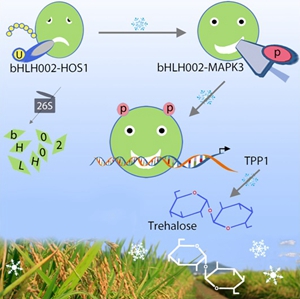 Chinese Scientists Reveal a Novel Signaling Pathway for Chilling Tolerance in RiceDec 20, 2017
 -
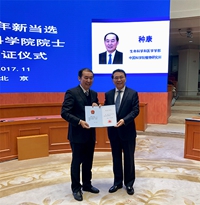 Prof. Kang Chong was inducted as a member into the Academic Divisions of the Chinese Academy of SciencesNov 30, 2017
 -
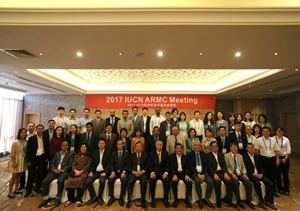 2017 Meeting of Asia Regional Members Committee of IUCN Held in Zhejiang ProvinceSep 26, 2017
 -
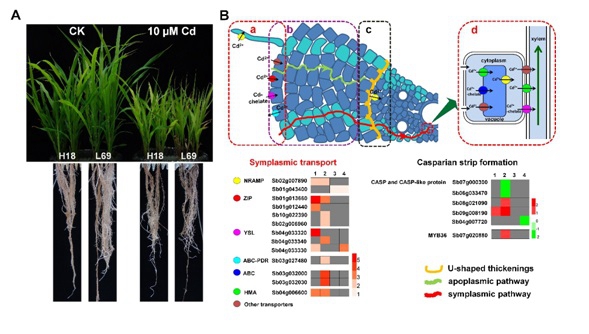 New progress on molecular mechanisms of cadmium accumulation in sweet sorghum by Researchers of the IBCASSep 19, 2017
 -
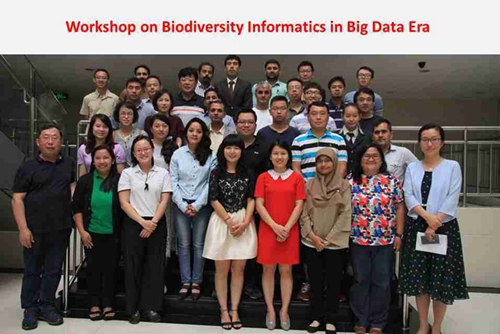 Workshop on Biodiversity Informatics in Big Data Era Was held in BeijingSep 15, 2017
 -
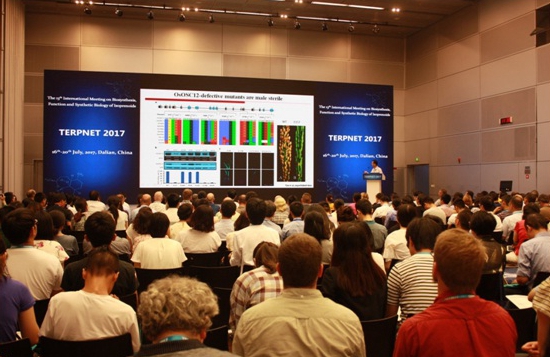 The 13th International Meeting on Biosynthesis, Function and Synthetic Biology of Isoprenoids was successfully held in Dalian, ChinaJul 28, 2017
 -
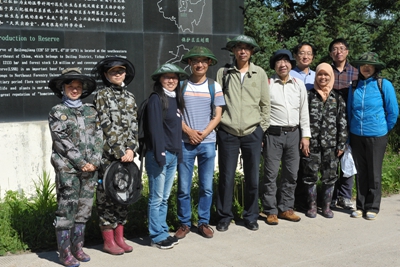 Workshop on Mapping Asia Plants (MAP): Northeast Asia, Central Asia (North Asia) and West Asia was successfully held in HarbinJul 24, 2017
 -
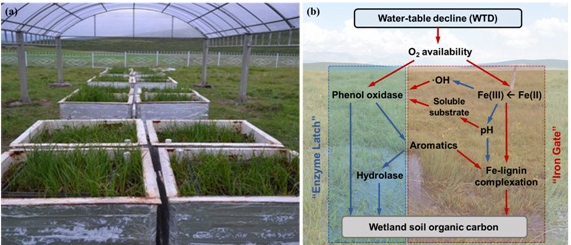 New insights into mechanisms regulating soil organic carbon preservation during wetland water-table declineJun 30, 2017